Community of the Day: Luang Prabang, Laos
A Timeless Sanctuary Where Mekong Waters Meet Ancient Traditions
Hear this story explained in 90 seconds.
Luang Prabang, Laos
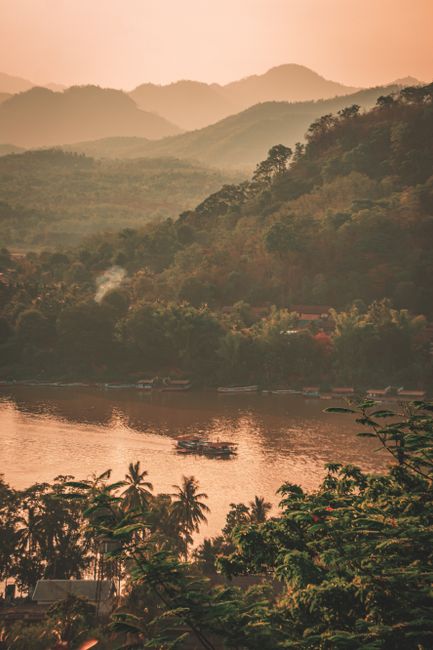
Nestled at the confluence of the Mekong and Nam Khan rivers, Luang Prabang is a breathtaking UNESCO World Heritage site that serves as a living testament to the fusion of traditional Lao architecture and colonial European influence. Known for its serene atmosphere, golden temples, and deep spiritual roots, this northern Laotian gem offers a unique glimpse into a culture that has remained remarkably preserved through centuries of history.
- Luang Prabang served as the royal and religious capital of the Lan Xang Kingdom from the 14th to the 16th centuries. Its historical significance is anchored in its role as a center for Buddhist learning and royal governance, which shaped the city's unique cultural identity.
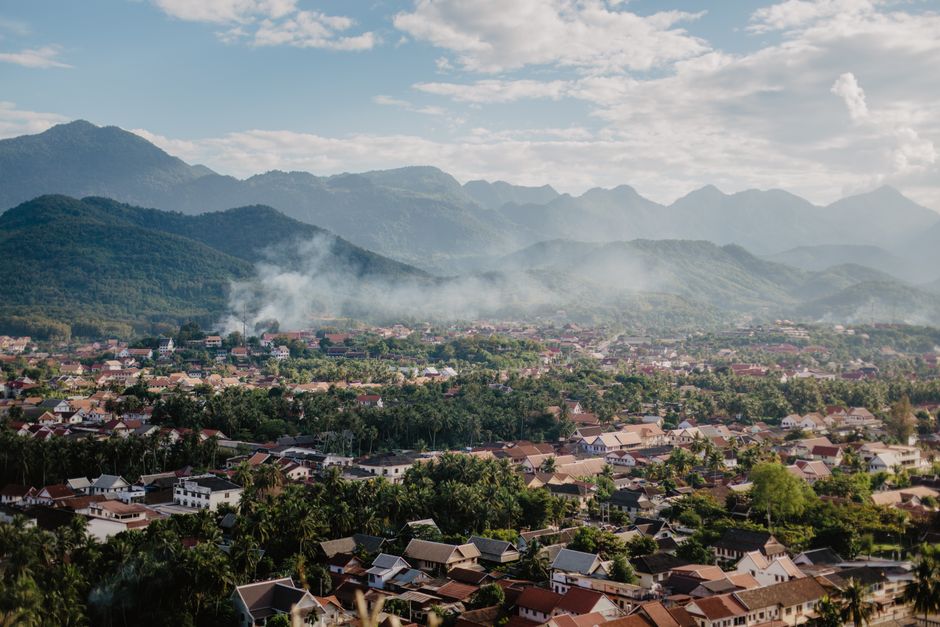
- The town is famously situated on a peninsula formed by the Mekong and Nam Khan rivers, surrounded by lush, limestone-rich mountain ranges. This dramatic geography has historically protected the city while providing a stunning backdrop for its many temples and colonial-era buildings.
- There are 33 active Buddhist temples scattered throughout the town, each showcasing intricate gold-leaf detailing and traditional Lao architectural styles. These sites are not merely tourist attractions but are active centers of worship where monks and novices study and maintain ancient restoration techniques.
- Every morning at sunrise, the streets of Luang Prabang come alive with the silent, meditative procession of monks collecting alms. Local residents offer sticky rice to the monks in a tradition that has been practiced for generations, symbolizing a deep connection between the community and the monastic order.
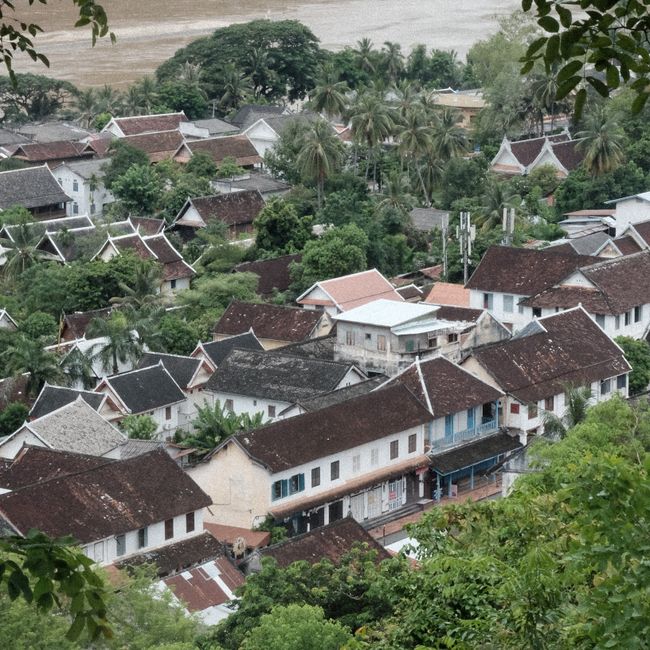
- The city's architecture is a unique blend of traditional Lao wooden structures and French colonial buildings from the late 19th and early 20th centuries. This architectural fusion earned the town its UNESCO World Heritage status in 1995, ensuring the preservation of its historic urban fabric.
- Archaeological evidence suggests that the area has been inhabited since at least 8,000 BC, making it one of the oldest continuously settled regions in the country. This long history has allowed for the development of a rich, layered culture that incorporates diverse influences from across Southeast Asia.
- The Royal Palace Museum, once the residence of the Lao monarchy, houses the Phra Bang, a golden Buddha statue for which the city is named. The museum provides visitors with a comprehensive look at the royal history and the artistic heritage of the Lan Xang Kingdom.
- Nature enthusiasts flock to the nearby Kuang Si Falls, a multi-tiered waterfall known for its striking turquoise pools. The surrounding area also offers opportunities for hiking, mountain biking, and exploring remote villages that are accessible primarily by boat along the Mekong.
- The local economy is deeply tied to both tourism and traditional craftsmanship, with many surrounding villages specializing in specific trades. Visitors can find artisans producing hand-woven textiles, traditional pottery, and even local whiskey, often sold directly by the makers at the vibrant night market.
- Luang Prabang is often described as being caught in a "delightful time warp," where the pace of life is dictated by the flow of the Mekong River. Despite modern developments, the community remains committed to sustainable tourism practices that protect its cultural treasures and support the livelihoods of its residents.
Photo Gallery
Subscribers can ask the journalist a question about this story. Subscribe to ask.
Community of the Day feature by PENN editorial.
Comments
No comments yet — be the first to share your thoughts.
Senior Editor, Planet Earth News Network
View all articles by Desk →