Community of the Day: Saint-Louis, Senegal
A historic colonial jewel at the mouth of the Senegal River

PENN Explainer
Hear this story explained in 90 seconds.
Saint-Louis, Senegal
Saint-Louis, known locally as Ndar, is a historic city in northwestern Senegal that served as the capital of the French colony for centuries. Renowned for its unique colonial architecture and strategic location at the mouth of the Senegal River, it remains a vital cultural and economic hub in West Africa.
- Founded in 1659, Saint-Louis holds the distinction of being one of the oldest European-founded settlements in West Africa. It was named in honor of the French King Louis XIV and served as a fortified trading post for the French Company of West Indies.
- The city is geographically unique, situated on an island within the Senegal River, the mainland, and the Langue de Barbarie peninsula. This layout has defined its urban development and its historical role as a vital transportation hub for the river valley.
- Saint-Louis served as the capital of the French colony of Senegal from 1673 until 1957, and it also functioned as the capital of French West Africa from 1895 to 1902. During this era, it was the center of French colonial administration and culture in the region.
- The city is famous for its "signares," a class of wealthy, influential Franco-African Creole women entrepreneurs who emerged during the 17th and 18th centuries. These women played a pivotal role in the social, economic, and political life of the colonial city.
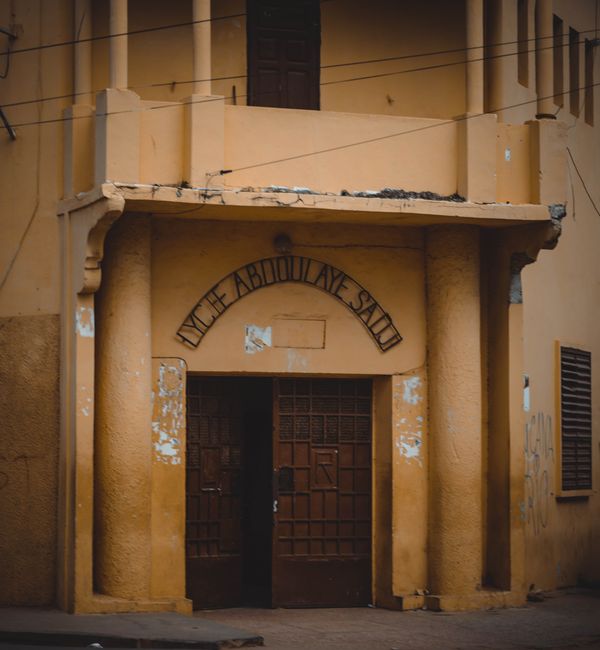
- The architecture of the island is a UNESCO World Heritage site, recognized for its stylistic unity and colonial urban planning. Visitors can still see the iconic balconied houses and wrought-iron railings that reflect the city's 19th-century development.
- The Faidherbe Bridge is a major landmark that connects the island to the mainland. Its spans were imported from France in 1897, and it remains a symbol of the city's engineering history and connection to the colonial past.
- Saint-Louis acts as a major center for the fishing industry, particularly in the Guet N’Dor district. This vibrant community is home to a large portion of the city's population and relies heavily on the Atlantic Ocean and the river mouth for its livelihood.
- The city is a melting pot of diverse ethnic groups, including the Wolof, Serer, Fulani, Diola, Manding, and Sarakole people. This cultural diversity is reflected in the local languages, traditions, and the daily life of the residents.
- The climate in Saint-Louis is tropical, characterized by a distinct wet season from June through September. The region experiences high humidity and is subject to environmental challenges, including coastal erosion and potential flooding.
- In 1994, Saint-Louis established a sister-city relationship with St. Louis, Missouri, in the United States. This partnership has facilitated various educational, cultural, and business exchanges between the two cities over the past several decades.
Photo Gallery
Ask the Author
Subscribers can ask the journalist a question about this story. Subscribe to ask.
Neutrality note
Community of the Day feature by PENN editorial.
to vote
Comments
No comments yet — be the first to share your thoughts.
Author
Planet Earth News Travel DeskSenior Editor, Planet Earth News Network
View all articles by Desk →