Community of the Day: Salta
The Colonial Jewel of the Argentine Andes
PENN Explainer
Hear this story explained in 90 seconds.
Salta, Argentina
Nestled in the Lerma Valley at the foothills of the Andes, Salta is a vibrant city known for its exceptionally preserved colonial architecture, rich gaucho traditions, and breathtaking high-altitude landscapes. As the capital of its namesake province, it serves as the cultural and economic heart of Northwest Argentina, offering a unique blend of Spanish heritage and indigenous Andean influence.
- Salta is located in the Lerma Valley at the eastern foothills of the Andes Mountains in Northwest Argentina. Situated at an elevation of approximately 1,152 meters, the city serves as a vital gateway to the rugged landscapes of the Puna plateau. Its stunning natural setting has earned it the nickname "Salta la Linda," or "Salta the Beautiful," among locals and visitors alike according to Salta Facts for Kids.
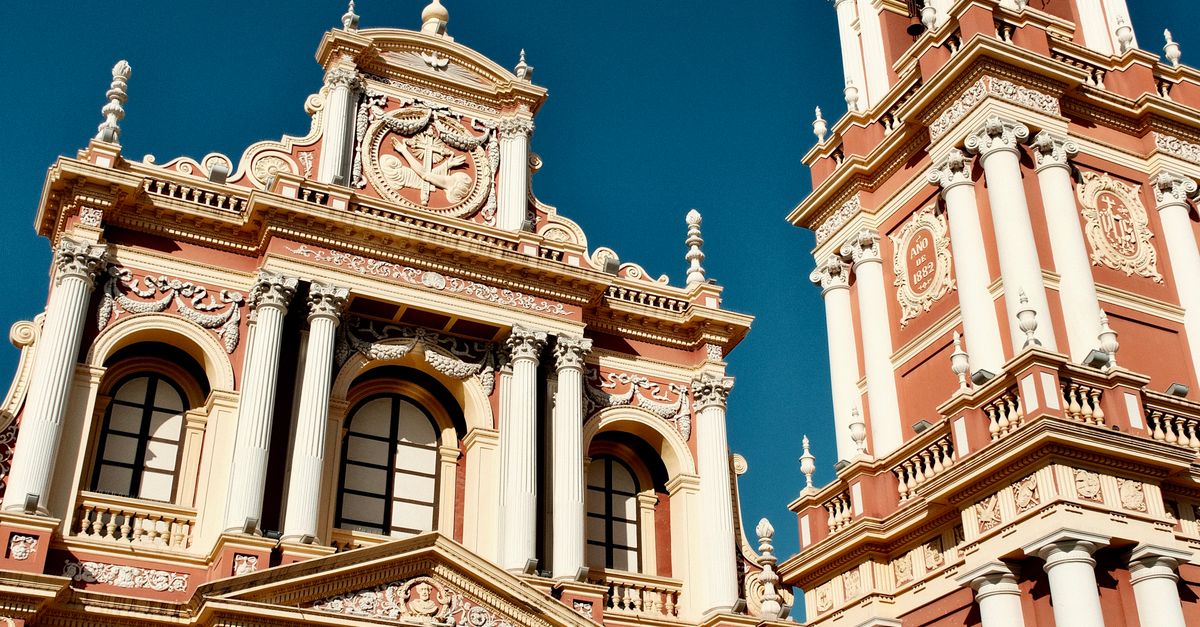
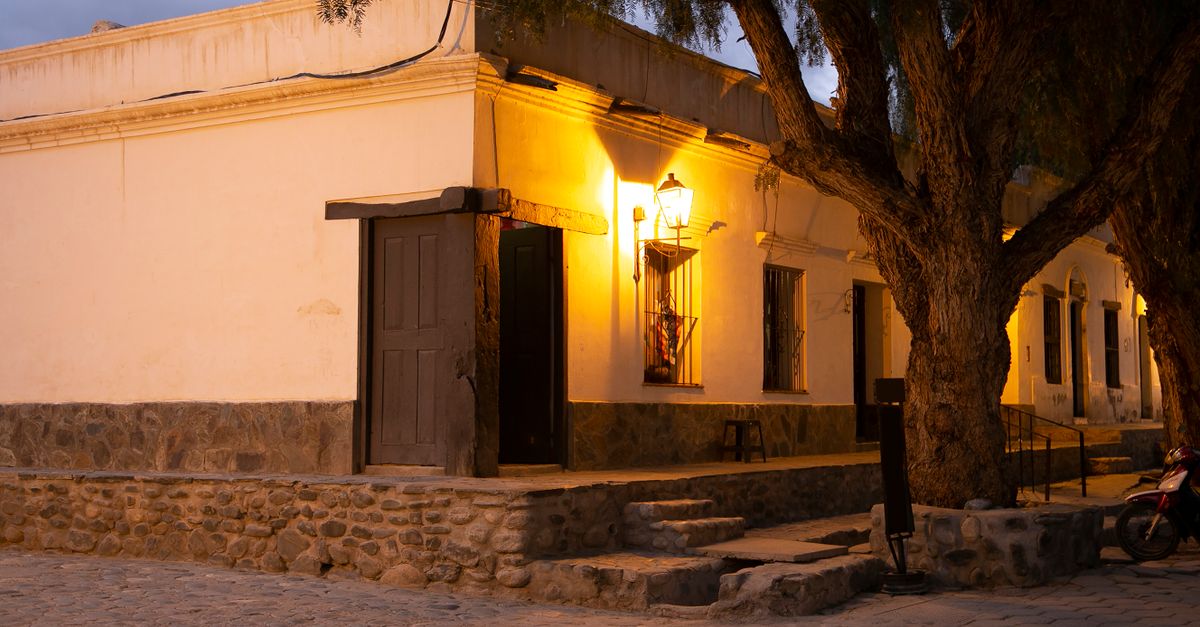
- The city was founded on April 16, 1582, by the Spanish conquistador Hernando de Lerma to facilitate trade between Peru and the Rio de la Plata. Today, Salta is celebrated for having the best-preserved Spanish colonial architecture in Argentina, featuring ornate balconies and pastel-colored facades. This architectural heritage is a living museum that defines the city's historic center as noted in Travel Salta Argentina - Culture, Cuisine, and Countryside Wonders | Kuoda Travel.
- One of Salta's most significant cultural institutions is the Museum of High Altitude Archaeology (MAAM), which showcases the region's deep Inca roots. This museum houses the "Children of Llullaillaco," three incredibly well-preserved Inca mummies discovered at the summit of a nearby volcano. These archaeological finds provide profound insights into the religious rituals and daily lives of the ancient Andean civilizations as described in The best Salta Culture & history 2026 - Free cancellation.
- The economy of Salta is deeply rooted in agriculture and the processing of natural resources from the surrounding fertile valleys. The region is a major producer of tobacco, sugar cane, and citrus fruits, which are essential to the local economic stability. Additionally, the nearby Calchaqu Valleys are world-renowned for their high-altitude vineyards, particularly the production of the unique Torronts white wine mentioned in Salta Argentina: Useful facts and what to do in three days.
- Salta experiences a subtropical highland climate characterized by distinct wet and dry seasons throughout the year. During the summer months from December to March, the city receives heavy thunderstorms that turn the surrounding mountains a lush, vibrant green. In contrast, the winters are very dry and sunny, with mild daytime temperatures and cool nights that occasionally see frost as detailed in Salta Facts for Kids.
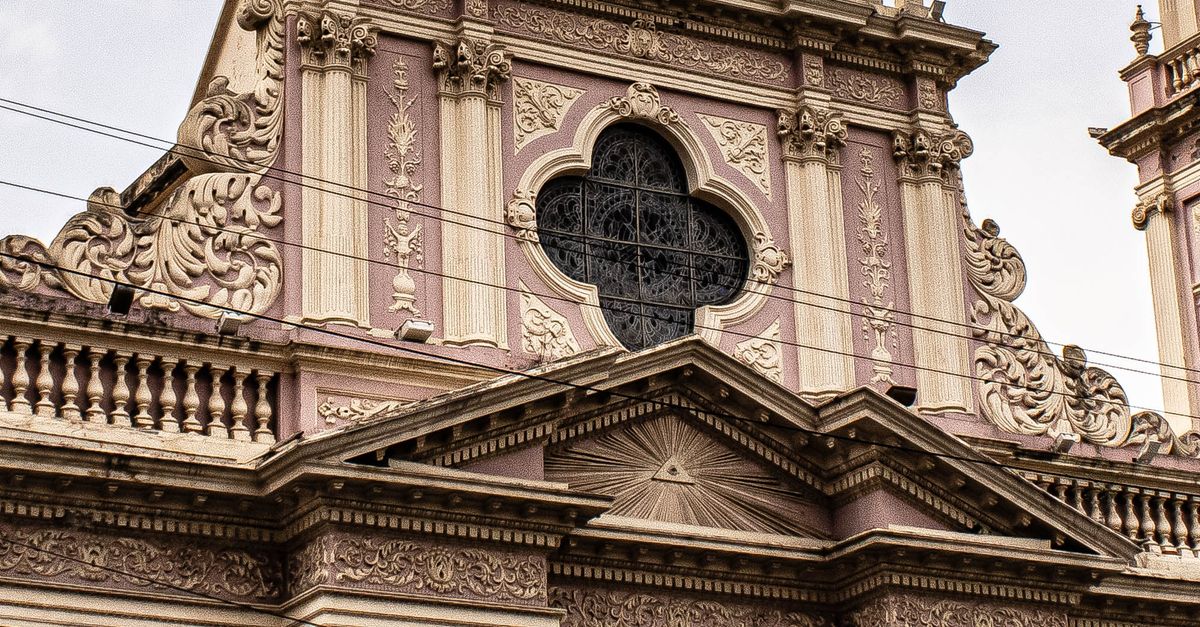
- The Cathedral Basilica of Salta is a central landmark located on the 9 de Julio Square and serves as a spiritual heart for the community. Its striking pink and yellow facade makes it one of the most photographed buildings in the city's historic district. Inside, it houses the revered images of the "Lord and Virgin of the Miracle," who are the patron saints of the city and the focus of a massive annual religious procession according to From Salta: City Tour of the city on a half-day ride.
- The city maintains a fierce pride in its gaucho heritage and its pivotal role in the Argentine War of Independence. General Martn Miguel de Gemes, a local hero, led a guerrilla war of gauchos known as "Los Infernales" to defend the northern border against royalist forces. Every year, thousands of gauchos from across the province gather in Salta to parade in his honor, blending Spanish and mestizo traditions as noted in Salta.
- Salta is the starting point for the famous "Tren a las Nubes," or Train to the Clouds, which is a major driver of regional tourism. This heritage railway is one of the highest in the world, reaching altitudes of over 4,200 meters as it traverses the dramatic Andean landscape. The journey includes crossing the spectacular Polvorilla Viaduct, an engineering marvel that spans a deep desert canyon as highlighted in Salta Argentina: Useful facts and what to do in three days.
- The culinary scene in Salta is distinct from the rest of Argentina, focusing on traditional Andean flavors and local ingredients. The city is famous for its "empanadas salteas," which are smaller and juicier than those found in Buenos Aires and typically contain diced potatoes. Visitors often flock to "peas," traditional folk music clubs where locals eat, drink wine, and dance to live zamba music as described in 7 Amazing Things To Do In Salta - Discover The History And Culture - Poncho Tours.
- Beyond the city limits, Salta serves as the primary hub for exploring the diverse geography of the Argentine Northwest, including the neighboring province of Jujuy. Travelers use the city as a base to visit the Salinas Grandes, a vast expanse of white salt flats, and the Quebrada de Humahuaca. The region's geology is marked by multi-colored mountains and deep red rock formations that have been shaped by millions of years of erosion as seen in From Salta: Full-Day Trip to Salinas Grandes and Purmamarca.
Photo Gallery
Ask the Author
Subscribers can ask the journalist a question about this story. Subscribe to ask.
Neutrality note
Community of the Day feature by PENN editorial.
to vote
Comments
No comments yet — be the first to share your thoughts.
Author
Planet Earth News Travel DeskSenior Editor, Planet Earth News Network
View all articles by Desk →