
Costa Rica Reaffirms Nationwide Ban on Sport Hunting to Protect Biodiversity
The government strengthens its commitment to eco-tourism and wildlife protection by maintaining a strict prohibition on trophy hunting.
PENN Explainer
Hear this story explained in 90 seconds.
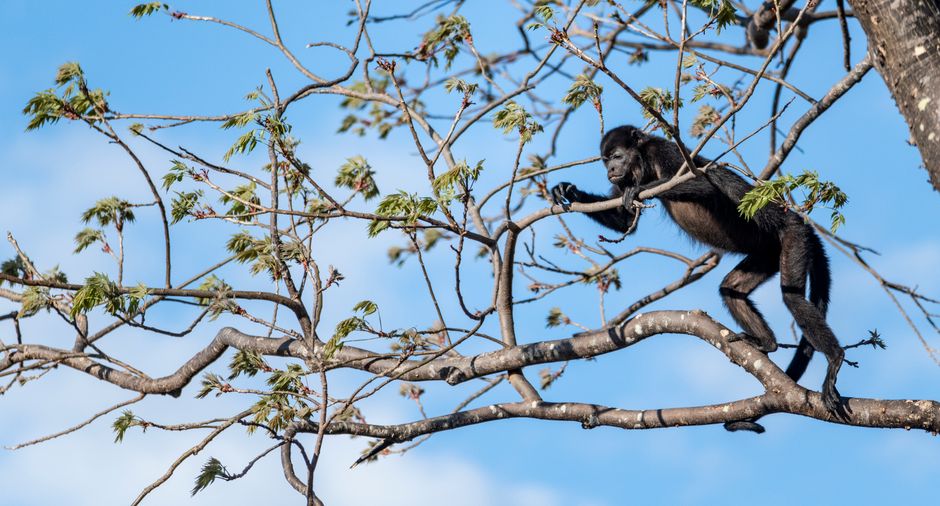
The government of Costa Rica has officially reaffirmed its permanent ban on sport hunting, solidifying the nation's position as a leader in wildlife conservation within Latin America. This legislative stance emphasizes the protection of threatened and endangered species, such as the jaguar, the scarlet macaw, and the Baird’s tapir. By prioritizing sustainable eco-tourism over recreational hunting, officials aim to preserve the country's rich biodiversity for future generations. The decision serves as a clear signal that the killing of wildlife for sport or souvenirs remains strictly prohibited under national law.
While the ban on sport hunting is comprehensive, the policy includes specific, limited exceptions to ensure practical wildlife management and cultural respect. These exceptions are strictly regulated and apply only to subsistence hunting within certain rural or Indigenous communities. Additionally, the government allows for scientific research conducted under rigorous permit requirements. Government-authorized population control measures are also permitted when necessary to maintain ecological balance, provided they are overseen by wildlife authorities.
This renewed enforcement effort is a direct response to ongoing challenges regarding illegal poaching and wildlife trafficking. Areas such as Corcovado National Park have historically faced pressure from unauthorized hunting operations that threaten local ecosystems. By strengthening the legal framework and increasing public awareness, authorities hope to deter illegal activities that undermine conservation goals. The initiative highlights the importance of protecting habitats from the negative impacts of unregulated hunting.
Conservationists have largely supported the move, noting that the country’s economic model relies heavily on the health of its natural landscapes. Eco-tourism provides a sustainable alternative to hunting, generating revenue that supports local communities and funds habitat restoration projects. This approach demonstrates how a nation can leverage its natural assets to promote both environmental health and economic stability. The focus remains on non-consumptive use of wildlife, where the presence of living animals drives the tourism industry.
Despite the ban, the government acknowledges the complexity of managing human-wildlife conflict in a country with such high species density. Wildlife officials continue to work on strategies that protect both human livelihoods and animal populations without resorting to widespread recreational hunting. These strategies include community-led conservation programs and improved monitoring of protected areas. The goal is to foster a coexistence that respects the needs of local residents while ensuring the survival of iconic species.
Public education campaigns are playing a significant role in the success of this policy. By informing citizens and visitors about the legal status of hunting, the government aims to reduce the demand for illegal wildlife products. These efforts are designed to cultivate a culture of stewardship where the protection of nature is viewed as a shared responsibility. The message is clear: the value of Costa Rica's wildlife lies in its preservation, not its extraction.
As the nation moves forward, the effectiveness of these regulations will depend on continued enforcement and community engagement. The government remains committed to monitoring the impact of the ban on wildlife populations and adjusting management strategies as needed. By maintaining a firm stance against sport hunting, Costa Rica continues to set a precedent for how countries can integrate conservation into their national identity. The international community continues to watch these developments as a model for biodiversity protection.
Ask the Author
Subscribers can ask the journalist a question about this story. Subscribe to ask.
Neutralitätsvermerk
Auto-harvested from global news wires and presented neutrally by PENN.
to vote
Comments
No comments yet — be the first to share your thoughts.
Related stories in Hunting and Conservation

United States Interior Department Expands Hunting Access on Federal Wildlife Refuges
2026-10-01
The Wildlife Society Evaluates Fertility Control as a Modern Conservation Tool
2026-10-01