
Namibia Reports Significant Decline in Rhino Poaching Incidents
Strategic anti-poaching efforts and community-led conservation initiatives contribute to the lowest poaching rates in over a decade.

PENN Explainer
Hear this story explained in 90 seconds.
Namibia has officially recorded its lowest level of rhino poaching in more than a decade, marking a significant milestone for wildlife conservation in the region. This positive trend reflects the success of ongoing efforts to protect vulnerable populations of black and white rhinos. Conservationists attribute this decline to a combination of enhanced law enforcement, community engagement, and rigorous monitoring programs. The data, released in July 2026, highlights the effectiveness of collaborative strategies in addressing the persistent threat of illegal wildlife trade. By prioritizing the safety of these iconic species, Namibia continues to demonstrate a commitment to preserving its natural heritage. Anti-poaching units have played a critical role in this achievement by increasing patrols in high-risk areas. These teams work tirelessly to detect and deter criminal activity before it can impact rhino populations. Their presence serves as a vital deterrent against those who seek to profit from the illegal sale of rhino horn. Furthermore, the integration of advanced surveillance technology has improved the ability of rangers to respond to potential threats in real time. This proactive approach is essential for maintaining the security of protected habitats. Community-led conservation initiatives have also been instrumental in fostering a culture of stewardship among local populations. By involving residents in the management and protection of wildlife, these programs ensure that communities benefit directly from the presence of healthy ecosystems. This sense of ownership encourages local citizens to act as the first line of defense against poaching syndicates. When people feel connected to the land and its inhabitants, they are more likely to support conservation goals. Such partnerships are fundamental to the long-term sustainability of wildlife management in Namibia. While the reduction in poaching is a cause for celebration, experts emphasize that the work is far from finished. Continued vigilance is necessary to ensure that these gains are not reversed by future challenges. The international community remains focused on supporting these efforts through funding and technical assistance. By maintaining a strong, unified front against poaching, stakeholders hope to secure a future where rhinos can thrive in the wild. This success story serves as a model for other nations facing similar conservation hurdles.
Ask the Author
Subscribers can ask the journalist a question about this story. Subscribe to ask.
Neutrality note
Auto-harvested from global news wires and presented neutrally by PENN.
to vote
Comments
No comments yet — be the first to share your thoughts.
Related stories in Hunting and Conservation

Nepali Experts Question Rhino Relocation Within Chitwan National Park
2026-09-25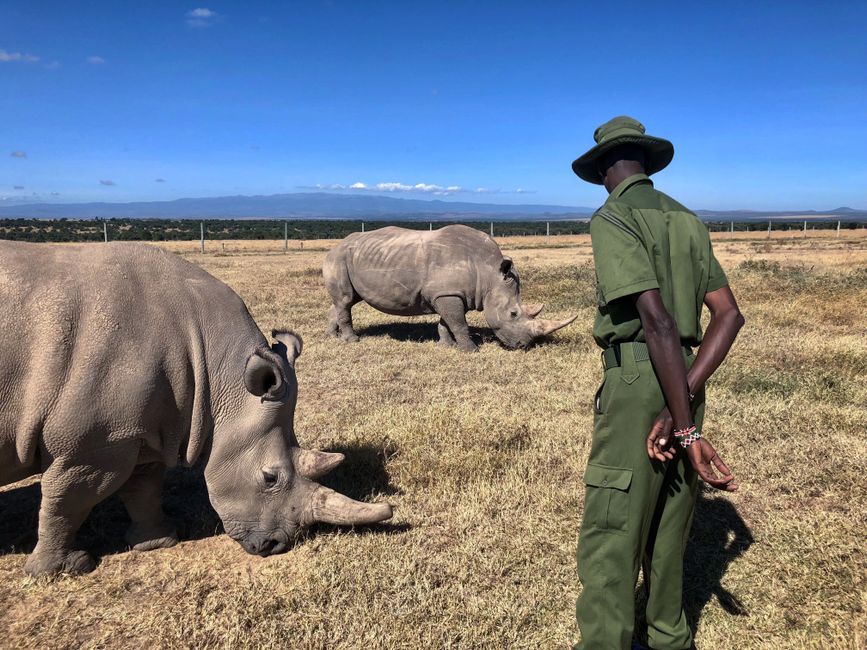
Tennessee Wildlife Officials Enforce Lifetime Hunting Ban Following Major Poaching Case
2026-09-24