
Nepali Experts Question Rhino Relocation Within Chitwan National Park
Conservationists debate the scientific rationale behind moving rhinos to balance population density and habitat health.

PENN Explainer
Hear this story explained in 90 seconds.
In Nepal, wildlife experts are currently engaged in a significant debate regarding the relocation of greater one-horned rhinos within Chitwan National Park. The initiative aims to manage population density by moving individuals from areas with high concentrations to other parts of the park. This management strategy is intended to ensure that the rhino population remains healthy and that their habitat is not overgrazed. By distributing the animals more evenly, officials hope to reduce competition for resources and minimize the risk of disease outbreaks. The greater one-horned rhino is a species that has seen successful recovery efforts in Nepal, making population management a critical component of their long-term survival. Experts are carefully monitoring the impact of these movements on the local ecosystem. Some researchers have raised questions about the specific methods used for these relocations and the potential stress placed on the animals during the process. They emphasize that any intervention must be backed by rigorous scientific data to ensure the best outcomes for the species. The goal is to maintain a stable population that can thrive in the wild without constant human interference. Stakeholders, including park authorities and independent biologists, are working together to evaluate the effectiveness of these internal transfers. This collaborative approach is essential for refining conservation strategies in a changing environment. The discussion highlights the complexities of managing endangered species in protected areas where space is limited. As the rhino population grows, finding the right balance between human-led management and natural behavior remains a top priority for conservationists in the region. The outcome of these discussions will likely influence future wildlife management policies in Nepal and beyond. By focusing on habitat health and population stability, the park aims to secure a future for these iconic animals.
Ask the Author
Subscribers can ask the journalist a question about this story. Subscribe to ask.
中立性の注記
Auto-harvested from global news wires and presented neutrally by PENN.
to vote
Comments
No comments yet — be the first to share your thoughts.
Related stories in Hunting and Conservation

Namibia Reports Significant Decline in Rhino Poaching Incidents
2026-09-25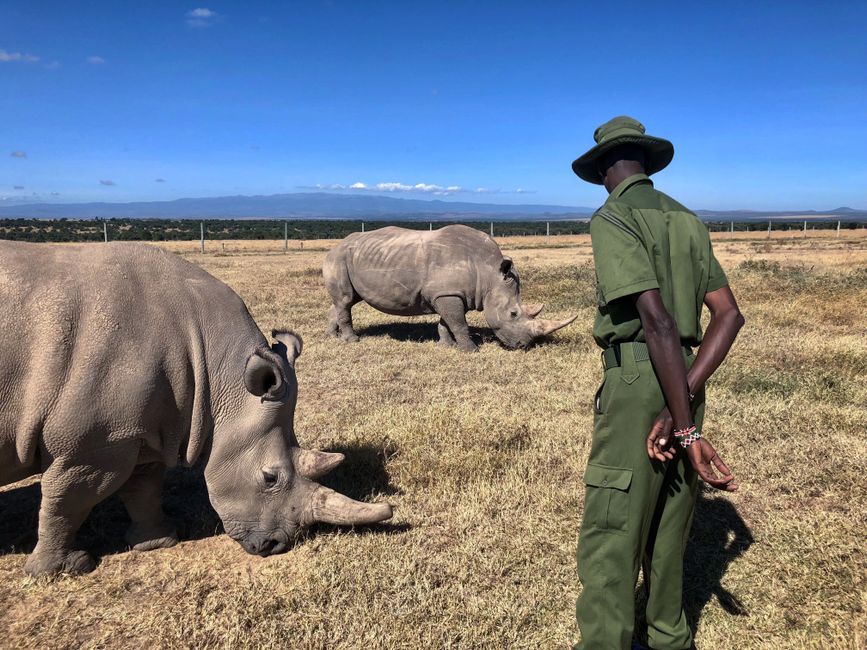
Tennessee Wildlife Officials Enforce Lifetime Hunting Ban Following Major Poaching Case
2026-09-24