Culinary Tradition of the Day: Tamales
Exploring the ancient Mesoamerican tradition of the tamal
Hear this story explained in 90 seconds.
Culinary Tradition of the Day: Tamales
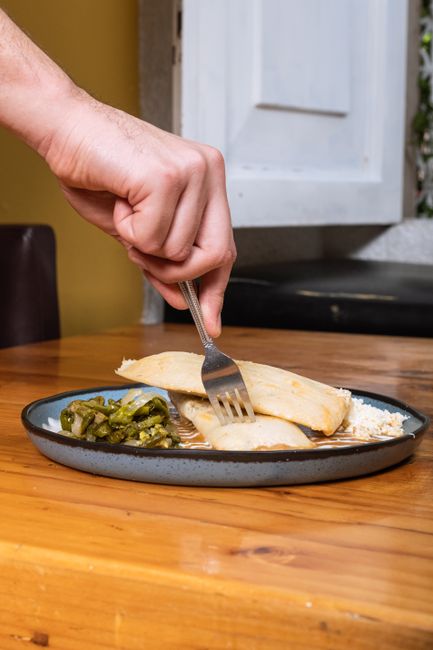
The tamal is a foundational Mesoamerican dish consisting of masa—a dough made from nixtamalized corn—that is stuffed with savory or sweet fillings, wrapped in a corn husk or banana leaf, and steamed. More than just a meal, the tamal is a symbol of unity, history, and communal labor that has persisted for thousands of years.
History
The history of the tamal is deeply intertwined with the cultivation of maize. Archaeological evidence suggests that the consumption of tamales dates back as far as 8,000 to 10,000 years ago, with roots in the Olmec, Mayan, and Aztec civilizations. The word "tamale" is derived from the Nahuatl word "tamalli," which translates to "wrapped food." Historically, these parcels were essential for nomadic hunters, travelers, and warriors due to their portability and nutritional density. The process of nixtamalization—soaking dried corn in an alkaline solution like lime water or wood ash—was a critical technological advancement that allowed indigenous peoples to increase the nutritional value of maize and create the pliable masa dough used today.
Cultural Significance
In ancient Mesoamerica, corn was considered sacred, and tamales were frequently offered to the gods during religious rituals. This connection between the "sacred and the ordinary" remains today. The tradition of the "tamalada," or tamale-making party, is a cornerstone of Latinx culture. These gatherings are communal events where families and friends work together to prepare large batches of tamales. This labor-intensive process serves as a vital social tradition, often centered around major holidays like Thanksgiving and Christmas, reinforcing family bonds and passing down ancestral recipes through generations.
How It Works
Preparing tamales involves three primary components: the masa, the filling, and the wrapper. The masa is typically mixed with fat, such as lard or vegetable shortening, and seasoned. Fillings vary widely by region and family tradition, ranging from shredded pork, chicken, or beef to cheese, beans, or vegetables. The dough is spread onto a softened corn husk or banana leaf, topped with the filling, and folded into a packet. These packets are then steamed until the masa is firm and cooked through. While the core technique remains consistent, regional variations abound, with different sauces like mole or green and red salsas often served alongside the finished dish.
Representative Recipe
Traditional Pork Tamales
A classic, comforting recipe featuring tender shredded pork encased in fluffy, seasoned masa and steamed in corn husks.
Prep time: 120 min | Cook time: 60 min | Total time: 180 min | Yield: 24 servings | Difficulty: Medium
Ingredients
Filling
- 1 kg pork shoulder, cut into chunks
- 2 tbsp chili powder
- 1 tsp ground cumin
- 1 tsp salt
Masa
- 500 g masa harina
- 150 g lard or vegetable shortening
- 500 ml warm chicken broth
- 1 tsp baking powder
- 1 tsp salt
Wrappers
- 24 dried corn husks
Instructions
- Soak the dried corn husks in a large bowl of warm water for at least 30 minutes until pliable.
- Simmer the pork in water with spices until tender, then shred the meat and set aside.
- In a large bowl, beat the lard until fluffy. Gradually add the masa harina, baking powder, salt, and chicken broth, mixing until the dough reaches a spreadable, creamy consistency.
- Spread a thin layer of masa onto the center of a softened corn husk. Place a spoonful of the shredded pork in the middle.
- Fold the sides of the husk over the filling, then fold the bottom tail up.
- Arrange the tamales upright in a steamer basket and steam for 60 minutes, or until the masa pulls away easily from the husk.
Notes
Serve warm with your favorite salsa or mole sauce. Tamales can be stored in the refrigerator for several days or frozen for long-term storage; they reheat perfectly via steaming or microwave.
Subscribers can ask the journalist a question about this story. Subscribe to ask.
Culinary Tradition of the Day feature by the PENN Food & Spirits Desk.
Comments
No comments yet — be the first to share your thoughts.
PENN's lifestyle and culinary department, covering global cuisine — the origins, traditions, and recipes behind the world's dishes, with deep histories and cultural context that go beyond the plate. and PENN's beverage-focused culinary team, dedicated to spirits and drinks — covering distilleries, breweries, and producers worldwide, with histories, tasting notes, professional reviews, and cocktail traditions.
View all articles by Desk →