Ecumenical Patriarch Bartholomew Issues Urgent Warning on Ecological Crisis
Religious leader describes environmental destruction as 'geocide' in recent address on the protection of the natural environment.
PENN Explainer
Hear this story explained in 90 seconds.
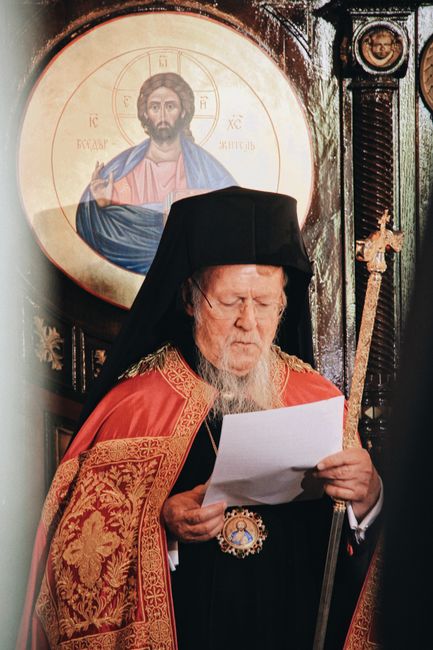
Ecumenical Patriarch Bartholomew of Constantinople has issued a stark warning regarding the state of the global environment. In a recent letter marking the Patriarchate’s Day of Prayer for the Protection of the Natural Environment, he characterized the ongoing ecological crisis as a form of 'geocide.' This term highlights the severity of the damage being inflicted upon the planet by human activity. The day of prayer has been observed by the Orthodox Church since 1989 to encourage stewardship of the Earth.
In his message, the Patriarch argued that the 'sins of modernity' have caused deep divisions between humanity and the natural world. He suggested that modern society often prioritizes economic interests and consumerism over the health of the environment. According to his statement, these actions disregard necessary limits and measures required to sustain life. He emphasized that the current path is driven by a desire to manipulate and exploit nature for short-term gain.
Patriarch Bartholomew noted that this crisis is rooted in a deeper shift in human values and inner experience. He described a contemporary 'man-god' mentality that persists in disregarding the consequences of environmental destruction. This mindset, he warned, is fueled by geopolitical designs and the pursuit of insatiable needs. The leader cautioned that the continued exploitation of natural resources will have tragic results for all life on Earth.
This call to action comes as religious institutions worldwide increasingly address the intersection of faith and climate change. Many faith leaders are now framing environmental protection as a moral and spiritual obligation. By using strong language like 'geocide,' the Patriarch aims to draw attention to the urgency of the situation. His words serve as a reminder of the role that religious belief plays in shaping societal attitudes toward the planet.
The Patriarchate’s Day of Prayer is part of a broader effort to foster a sense of responsibility for the environment. Since its inception, the initiative has sought to bridge the gap between spiritual practice and ecological awareness. Supporters of this movement believe that changing the way people view nature is essential for long-term sustainability. The message from Constantinople is intended to reach both believers and policymakers across the globe.
This perspective on the environment is shared by other religious figures who have also highlighted the need for sustainable practices. For instance, recent prayer intentions from the Vatican have similarly focused on the importance of water and environmental justice. These collective efforts reflect a growing consensus among various religious traditions regarding the sanctity of creation. Such statements often influence the discourse within international forums and local communities alike.
Critics of industrial-scale exploitation often point to these religious statements as a moral compass for modern development. By framing the issue as a matter of conscience, leaders like Patriarch Bartholomew hope to inspire a change in behavior. They argue that economic progress should not come at the expense of the planet's future. This approach seeks to balance human needs with the preservation of the natural world.
As the global community faces increasing climate-related challenges, the influence of religious leaders in this space continues to grow. Their ability to mobilize large populations and influence public opinion makes them key stakeholders in environmental discussions. The Patriarch’s recent letter is seen as a significant contribution to this ongoing dialogue. It challenges individuals to reflect on their own impact and the values that guide their daily lives.
Looking ahead, the focus on 'geocide' is expected to spark further debate about the ethics of modern consumption. The Patriarch’s warning serves as a call for a fundamental shift in how humanity interacts with the Earth. Whether this message will lead to concrete policy changes remains to be seen, but it has certainly elevated the profile of the issue. The intersection of faith and ecology remains a vital area of study and advocacy in the modern world.
Ultimately, the message from the Ecumenical Patriarch is one of both warning and hope. By identifying the root causes of environmental degradation, he provides a framework for addressing the crisis. The emphasis on values and inner experience suggests that a lasting solution requires more than just technological fixes. It requires a change in the human heart and a renewed commitment to the stewardship of all life.
Ask the Author
Subscribers can ask the journalist a question about this story. Subscribe to ask.
Nota neutralitatis
Auto-harvested from global news wires and presented neutrally by PENN.
to vote
Comments
No comments yet — be the first to share your thoughts.