
European Authorities Coordinate Hunting Strategies to Combat African Swine Fever
Regulated wild boar management becomes a critical tool in preventing the spread of a lethal viral disease across the continent.

PENN Explainer
Hear this story explained in 90 seconds.
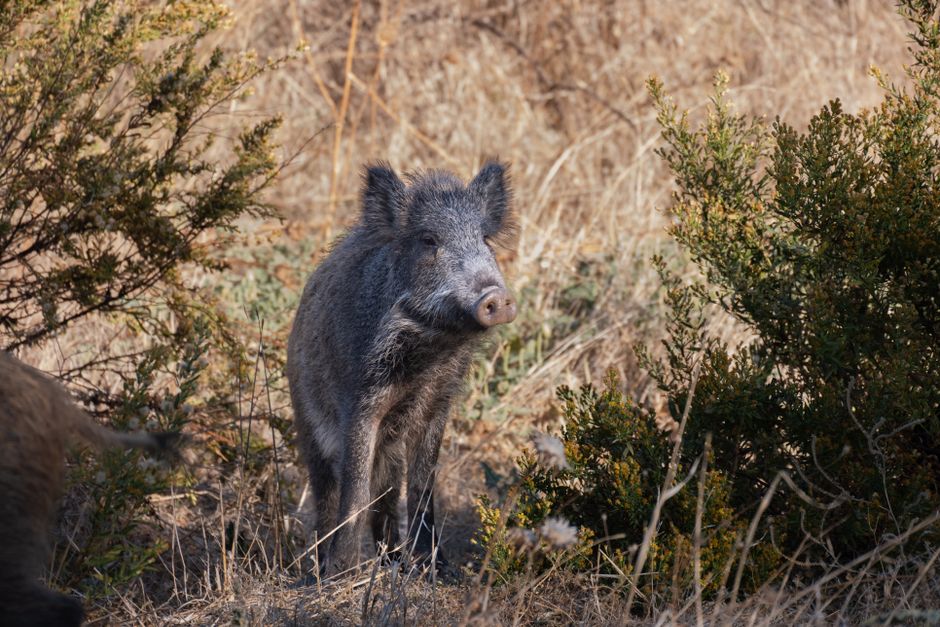
European wildlife and agricultural authorities are intensifying efforts to manage wild boar populations as African Swine Fever (ASF) continues to emerge in new regions. The highly lethal viral disease, which affects both domestic pigs and wild boar, has recently been detected in areas of Germany and Finland. While the virus does not pose a threat to human health, its rapid spread presents significant risks to animal welfare and the agricultural sector. Scientists and government agencies are now relying on regulated hunting as a primary tool to control population density and limit the transmission of the virus. In the state of Brandenburg, Germany, officials recently confirmed a new case of ASF in a wild boar within a protection corridor bordering Poland. This discovery marks the first instance of the virus in the Uckermark district in over a year. Authorities suspect the virus was introduced by migrating wild boars moving across the border from infected areas. In response, the district has implemented strict control measures to prevent further spread. Meanwhile, Finland reported its first-ever detection of the virus on July 30, 2026, in the municipality of Virolahti. The Finnish Food Authority quickly established an infection zone covering Virolahti, Miehikkälä, and parts of Lappeenranta. Within these zones, most general activities are restricted to prevent the movement of the virus. However, the government has authorized specific, controlled hunting programs to manage the wild boar population. The Finnish Hunters’ Association is working closely with these authorities to ensure that all population control efforts follow strict biosecurity protocols. These programs are not intended for sport, but rather serve as a necessary management intervention to reduce the risk of disease transmission. By lowering the density of wild boar in affected areas, wildlife managers aim to break the chain of infection. This approach is supported by international organizations, including the Food and Agriculture Organization of the United Nations and the World Organisation for Animal Health. These groups emphasize that hunting, when scientifically managed and combined with surveillance, is a vital component of disease control. Hunters are trained in biosecurity measures, such as the safe handling and disposal of carcasses, to ensure that their activities do not inadvertently spread the virus. This collaborative model highlights the role of hunters as partners in conservation and public health. As the situation evolves, European nations continue to refine their regionalization strategies to balance wildlife management with the protection of the agricultural economy. The ongoing cooperation between veterinary services, environmental agencies, and local hunting communities remains essential for long-term success. Through these coordinated efforts, authorities hope to contain the current outbreaks and protect both wild and domestic animal populations.
Ask the Author
Subscribers can ask the journalist a question about this story. Subscribe to ask.
Neutrality note
Auto-harvested from global news wires and presented neutrally by PENN.
to vote
Comments
No comments yet — be the first to share your thoughts.
Related stories in Hunting and Conservation
New South Wales Implements Mandatory Feral Pig Control to Protect Biodiversity
2026-09-27
European Union Updates Invasive Species List, Impacting Wildlife Management Strategies
2026-09-26