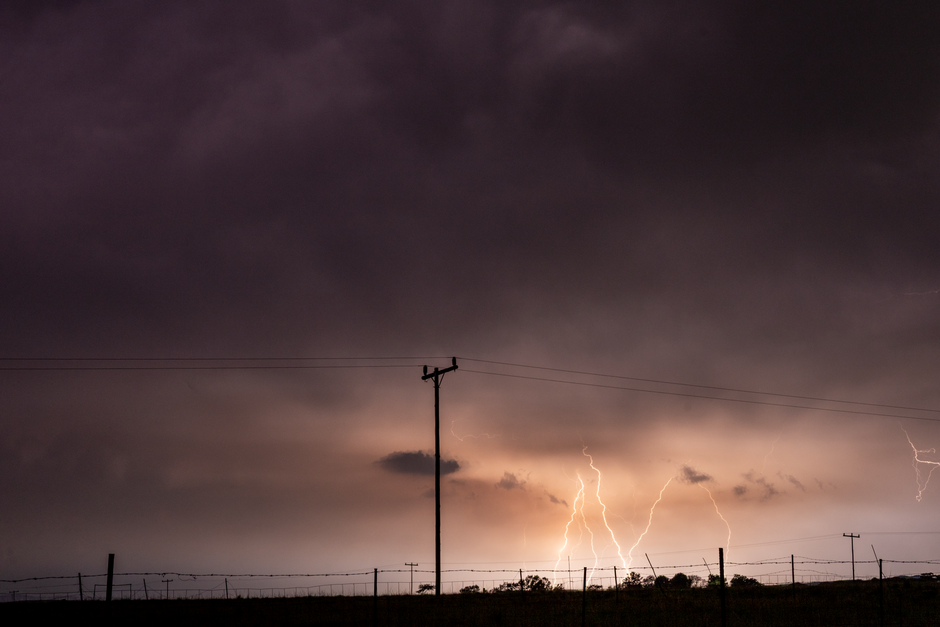
Flash Flooding Disrupts Daily Life Across the Northeastern United States
Heavy rainfall leads to emergency water rescues and travel delays in New York, New Jersey, and Connecticut.
PENN Explainer
Hear this story explained in 90 seconds.
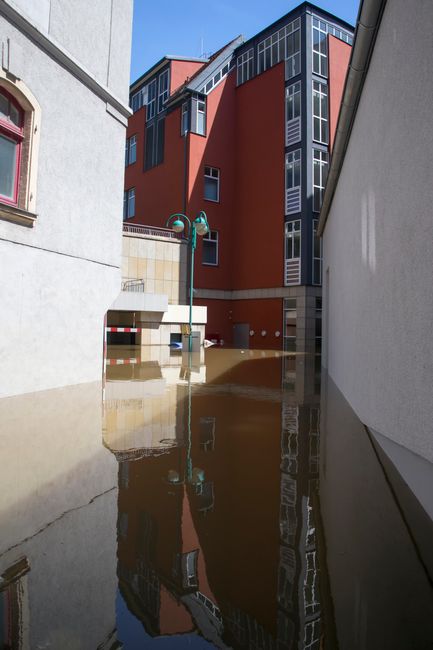
Heavy rainfall recently swept across the Northeastern United States, causing significant flash flooding in parts of New York, New Jersey, and Connecticut. The sudden downpour overwhelmed local drainage systems and turned streets into temporary waterways. Authorities issued urgent warnings as water levels rose rapidly in low-lying areas. Residents were advised to exercise extreme caution while traveling through the affected regions.
Emergency response teams were deployed throughout the tri-state area to assist those caught in the rising waters. Several motorists became stranded as their vehicles stalled in deep pools of water on major roadways. Rescue crews utilized specialized equipment to reach individuals trapped in their cars and homes. These efforts were critical in preventing injuries during the height of the storm.
The severe weather also disrupted public events and daily routines for thousands of people. A scheduled half-marathon was impacted by the conditions, forcing organizers to adjust plans to ensure the safety of participants. Public transportation services experienced delays and cancellations as tracks and stations faced water accumulation. Commuters were encouraged to check local transit updates before attempting to travel.
Meteorologists noted that the intensity of the rainfall was particularly high for this time of year. The storm system moved through the region quickly, but the sheer volume of water caused immediate and widespread issues. Local weather offices monitored the situation closely, providing real-time updates to the public via emergency alerts. These warnings helped many residents prepare for the sudden change in conditions.
Infrastructure in the affected states faced a stern test as the water surged through urban and suburban neighborhoods. Older drainage systems struggled to keep pace with the rapid influx of rain, leading to localized flooding in basements and ground-level businesses. Municipal workers were dispatched to clear debris from storm drains to help alleviate the pressure. Cleanup efforts began as soon as the rain subsided, with crews working to restore normalcy to the impacted communities.
This event serves as a reminder of the challenges posed by sudden, high-impact weather events in densely populated regions. Urban environments often have limited capacity to absorb large amounts of water in a short period. City planners and emergency management officials continue to evaluate how to better protect infrastructure from such occurrences. Future mitigation strategies may focus on improving drainage capacity and enhancing early warning systems.
Residents in the affected areas are now assessing the damage to their properties and vehicles. Insurance adjusters and local government agencies are expected to provide guidance on the recovery process in the coming days. Community members have begun to support one another, sharing resources and assistance to help those most affected by the flooding. The spirit of cooperation remains a vital part of the recovery phase.
While the immediate threat has passed, officials remain vigilant for any secondary impacts. Saturated ground can lead to further issues, such as localized landslides or weakened road foundations. Environmental experts are also monitoring local waterways to ensure that runoff does not cause long-term contamination or ecological damage. Continued monitoring is standard procedure following such significant weather events.
Public safety remains the top priority for local leaders as they review the response to this storm. Lessons learned from this event will likely inform future emergency protocols and public communication strategies. By analyzing the data collected during the flooding, officials hope to improve the speed and effectiveness of future interventions. Clear communication between government agencies and the public is essential for maintaining safety during extreme weather.
As the region begins to dry out, the focus shifts toward long-term resilience. Discussions regarding climate adaptation and infrastructure investment are expected to continue in the weeks ahead. The goal is to ensure that communities are better prepared for the unpredictable nature of modern weather patterns. For now, the focus remains on supporting those who were displaced or suffered losses during the recent floods.
Ask the Author
Subscribers can ask the journalist a question about this story. Subscribe to ask.
Neŭtraleca noto
Auto-harvested from global news wires and presented neutrally by PENN.
to vote
Comments
No comments yet — be the first to share your thoughts.
Related stories in Weather & Climate
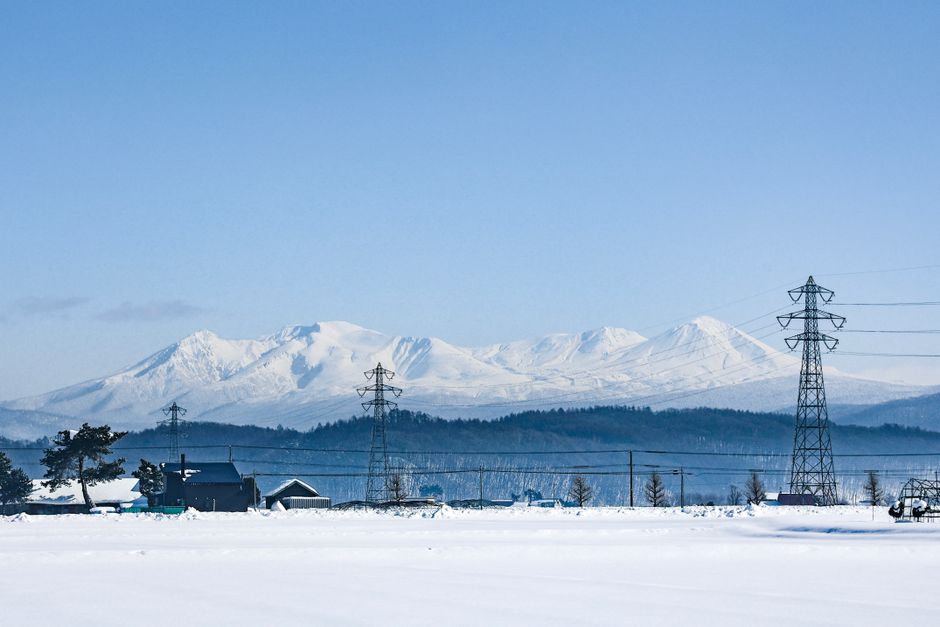
Japan Prepares for Seasonal Winter Shifts as Meteorological Agencies Monitor Climate Patterns
2026-09-25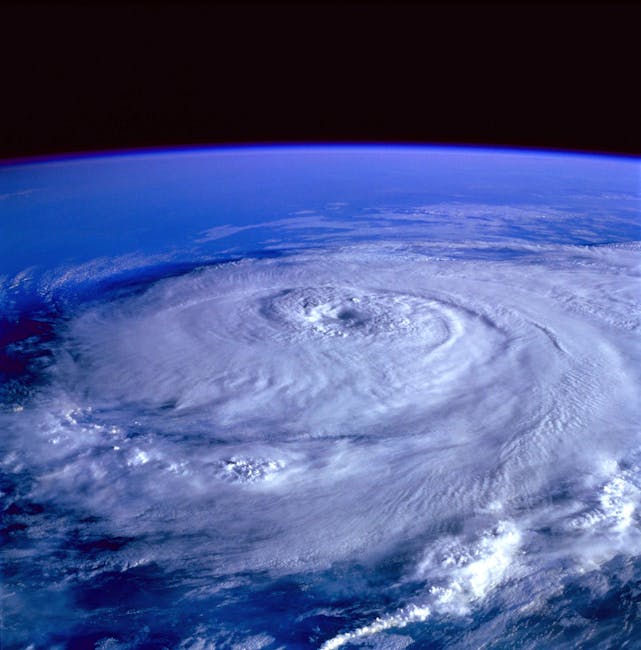
Tropical Storm Nolo Approaches Hawaii as Pacific Cyclone Activity Intensifies
2026-09-25