
Global Gold Market Navigates New Economic Realities Amid Geopolitical Uncertainty
Central bank accumulation and shifting investor sentiment define the latest trends in the precious metals market.
PENN Explainer
Hear this story explained in 90 seconds.
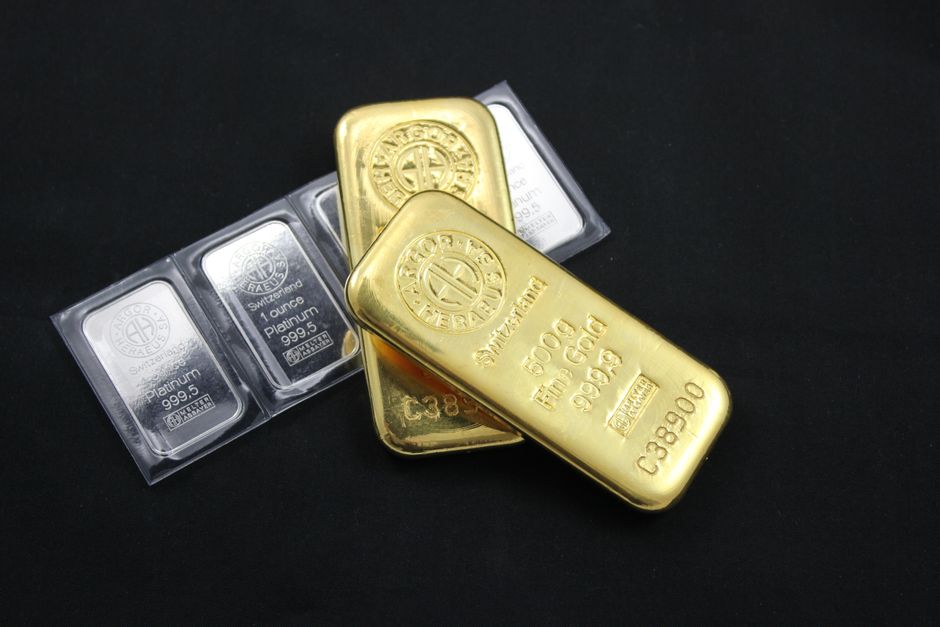
The global gold market has experienced a period of significant transformation throughout 2026, marked by record-setting price levels and shifting demand drivers. After reaching historic highs earlier this year, the precious metal has entered a phase of consolidation as investors weigh competing macroeconomic signals. Analysts note that the traditional relationship between gold prices and real interest rates has become increasingly decoupled in recent months. This shift suggests that structural factors, rather than just monetary policy, are now playing a larger role in determining market value. Persistent inflation and ongoing fiscal concerns continue to provide a floor for prices, even as some short-term volatility persists. Central bank activity remains a cornerstone of this trend, with institutions worldwide maintaining significant gold reserves to diversify their holdings. Data indicates that official sector buying over the past three years has more than doubled compared to the previous decade. This sustained demand from central banks has helped to offset fluctuations in exchange-traded fund (ETF) flows, providing a layer of resilience to the market. While some analysts observe a cooling in the pace of these acquisitions, the overall commitment to gold as a strategic asset remains evident. Geopolitical tensions have also emerged as a primary catalyst for market movement in the latter half of the year. Recent escalations in the Middle East, including reports of strikes involving oil infrastructure, have prompted investors to seek safe-haven assets. Such events often trigger a flight to quality, where market participants prioritize stability over speculative growth. Consequently, gold continues to be viewed as a vital hedge against the unpredictability of global political developments. Looking ahead, financial institutions like J.P. Morgan Global Research have maintained a constructive outlook for the metal. Projections suggest that the combination of trade concerns and macroeconomic instability could support further price appreciation through the end of 2026 and into 2027. However, the market remains sensitive to incoming economic data and central bank policy shifts. Investors are closely monitoring these indicators to gauge the potential for future rallies or corrections. As the global economy navigates these complex challenges, the role of gold as a store of value continues to be a subject of intense focus for both institutional and retail market participants.
Ask the Author
Subscribers can ask the journalist a question about this story. Subscribe to ask.
Neutralitätsvermerk
Auto-harvested from global news wires and presented neutrally by PENN.
to vote
Comments
No comments yet — be the first to share your thoughts.
Related stories in Markets & Economy

European Central Bank Raises Interest Rates Amid Inflationary Pressures
2026-09-24
Eurozone Inflation Reaches 3.3% as Energy Costs Drive ECB Policy Decisions
2026-09-24