Global Office Markets Show Divergent Trends as Vacancy Rates Shift
While some major financial hubs see tightening vacancy, other regions face record-high office space availability amid changing work habits.

PENN Explainer
Hear this story explained in 90 seconds.
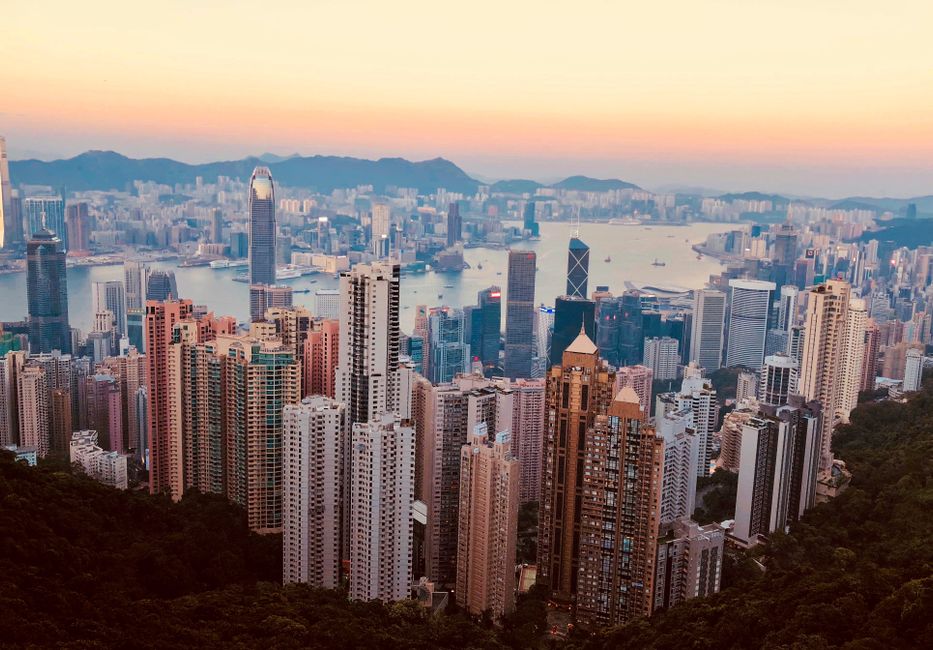
The global commercial real estate landscape is currently experiencing a period of significant transition. While some major international cities are reporting a tightening of office space, other markets are grappling with record-high vacancy rates. This divergence highlights how local economic conditions and corporate work policies are shaping the future of urban office environments. Industry experts are closely monitoring these trends to understand the long-term impact on commercial property values and urban development. In North America, the office sector faces notable challenges as vacancy rates in the United States reached 22.1% in the second quarter of 2026. This surge is largely attributed to the widespread adoption of hybrid work models and corporate efforts to reduce operational costs. Financial institutions are preparing for potential loan defaults, which has drawn attention to the stability of regional lenders and pension funds. Despite these broader challenges, some specific segments of the market continue to show resilience. Downtown Class A properties, particularly those considered trophy assets, have seen improved occupancy levels in several Canadian markets. Data from CBRE indicates that downtown office vacancy in Canada declined for three consecutive quarters through mid-2026. This suggests that businesses remain interested in high-quality, well-located office spaces that offer premium amenities. Across the Pacific, the office market in Hong Kong has reached a different milestone. Recent reports indicate that Grade A office vacancy in the city has fallen to a 31-month low. This positive momentum is being supported by rising demand from global investment funds looking to secure space in the Central business district. The trend reflects a continued interest in Hong Kong as a key hub for international business and finance. Meanwhile, Singapore is experiencing its own unique market dynamics. The city-state has recorded its sixth consecutive quarter of rental growth for Grade A office space. Tricia Song, the Head of Research at CBRE Singapore, has noted that landlords in the Core Central Business District currently hold significant pricing power. This growth persists despite broader global economic uncertainty and ongoing geopolitical tensions. The contrast between these regions underscores the complexity of the current real estate environment. While the shift toward hybrid work has fundamentally changed the demand for traditional office space in many Western cities, other global financial centers are seeing sustained interest in prime commercial real estate. Investors and developers are now navigating a landscape where location, building quality, and local economic policy play a larger role than ever before. As the year progresses, market participants will continue to watch for signs of stabilization or further shifts in these commercial property trends. The ability of cities to adapt their urban centers to these changing demands will likely be a defining feature of the real estate sector for the remainder of the decade.
Ask the Author
Subscribers can ask the journalist a question about this story. Subscribe to ask.
Neŭtraleca noto
Auto-harvested from global news wires and presented neutrally by PENN.
to vote
Comments
No comments yet — be the first to share your thoughts.