
Environmenten
Hundreds of Endangered Khulan Return to Eastern Steppes of Mongolia After 65-Year Absence
A multi-year rewilding initiative successfully restores native wild asses to their ancestral grassland habitat across Dornod Province.
PENN Explainer
Hear this story explained in 90 seconds.
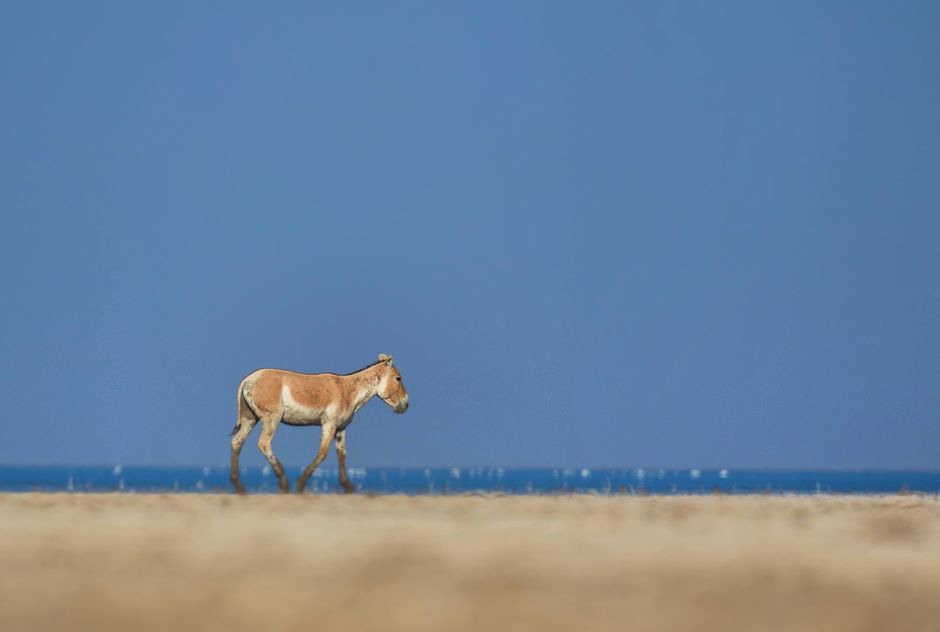
Hundreds of Mongolian wild asses, known locally as khulan, have returned to the vast eastern steppes of Mongolia after being absent from the region for roughly 65 years. Conservation biologists and wildlife authorities announced that ongoing rewilding translocations have successfully established breeding herds across protected grassland corridors. The initiative aims to restore ecological balance to one of the largest remaining temperate grassland systems in the world.
The khulan, a subspecies of the Asiatic wild ass, once roamed freely across millions of square kilometers in Central Asia. By the middle of the twentieth century, hunting pressure, habitat fragmentation, and competition with domestic livestock drove the animals out of their eastern range. Small surviving populations remained concentrated primarily in the arid expanses of the southern Gobi Desert, leaving eastern grasslands without their native large equids.
Conservation groups, including local ranger networks and international ecological organizations, spent years planning the reintroduction project. Teams carefully moved small founder groups from the Gobi to the open plains of Dornod Province using custom-built transport vehicles. The animals were monitored in large acclimation enclosures before being released into open landscapes, allowing them time to adjust to local vegetation and harsh winter conditions.
Ecologists emphasize that the return of the khulan serves a critical function in the health of the steppe ecosystem. As large grazers, wild asses feed on tough grasses, promote seed dispersal through their dung, and help prevent the overgrowth of woody shrubs. In winter, they dig through heavy snow crusts to reach food and water, uncovering forage points that are subsequently utilized by smaller wildlife species such as the Mongolian gazelle.
Local pastoralist communities played a vital role in preparing the landscape for the return of the khulan. Community pasture committees worked alongside park rangers to map seasonal grazing zones, ensuring that domestic livestock herds do not directly compete with the wild herds for vital water sources. Education programs have also helped herders recognize the historical and environmental significance of sharing open pastureland with native wildlife.
Infrastructure barriers remain a substantial challenge for the expanding herds. Railways, fenced border zones, and newly paved transport corridors across eastern Mongolia can disrupt natural migration pathways and separate breeding populations. Biologists are collaborating with infrastructure planners to construct wildlife-friendly crossings and modify fence lines to keep migratory corridors open across administrative boundaries.
Researchers are tracking the released khulan using satellite telemetry collars and aerial drone surveys. Early telemetry data indicates that several released herds have begun producing foals in the wild, an essential benchmark for the long-term viability of the population. Scientists report that the herds have successfully navigated seasonal temperature swings and found reliable watering holes.
The project forms part of Mongolia's broader national commitment to meet international biodiversity goals under the Kunming-Montreal Global Biodiversity Framework. Under this pact, nations have pledged to protect 30 percent of terrestrial landscapes and recover native species populations by 2030. Mongolian wildlife agencies hope that the lessons learned from the khulan project can serve as a template for other grassland restoration efforts across Eurasia.
Scientists also view the eastern steppe reintroduction as a crucial buffer against climate change. Shorter winters, prolonged droughts, and erratic snowfall patterns have made relying on a single habitat area risky for the survival of endangered desert species. By maintaining stable populations across both the arid Gobi and the moisture-rich eastern steppes, conservationists ensure greater genetic resilience for the species.
Project leaders state that monitoring will continue closely over the coming years as herd sizes increase. Community rangers will maintain regular anti-poaching patrols and monitor water points during dry spells. Wildlife officials have expressed cautious optimism that the historic return of the khulan marks a durable recovery for one of Asia's most emblematic nomadic herbivores.
Neutrality note
Auto-harvested from global news wires and presented neutrally by PENN.
to vote
Comments
No comments yet — be the first to share your thoughts.
Related stories in Environment
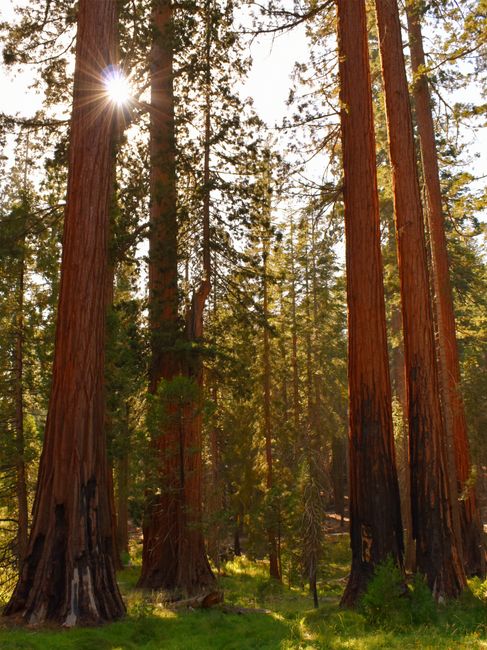
Prescribed Burns Offer Essential Protection for California's Giant Sequoias, Comprehensive Study Finds
2026-09-07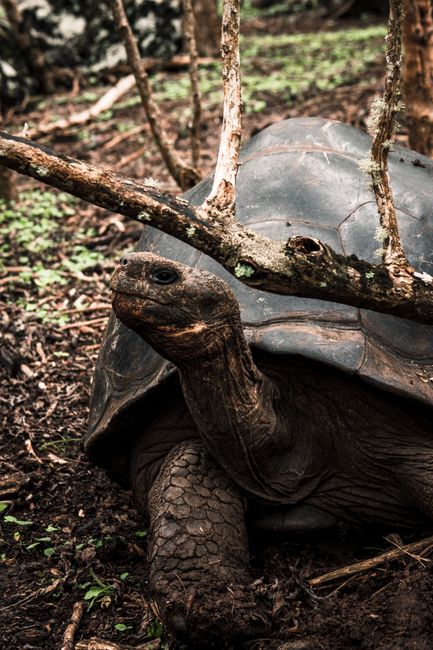
Giant Tortoises Reintroduced to Galápagos Island After Nearly 150-Year Absence
2026-09-07