Ingredient of the Day: Sumac
Discovering the vibrant, tangy history of the ancient 'dark red' spice
Hear this story explained in 90 seconds.
This article was corrected on September 23, 2026
We have been having issues with the app that distributes the daily features, especially the ingredient of the day. for some unknown reason it kept submitting the Sumac article. our apologies and it should be corrected on tomorrow's issue.
Ingredient of the Day: Sumac
Sumac is a vibrant, burgundy-colored spice that brings a bright, citrus-like acidity to dishes. Often overlooked in Western kitchens, this ancient ingredient has been a staple in Mediterranean and Middle Eastern cooking for thousands of years, prized for its ability to add a tangy, fruity zing without the need for fresh lemons.
Origin & History
The word "sumac" is derived from the Aramaic word "summaq," which translates to "dark red." Botanically, sumac refers to roughly 35 species of flowering plants in the genus Rhus, part of the Anacardiaceae family, which also includes cashews and mangoes. While various species grow globally, Rhus coriaria is the primary variety used for culinary purposes in the Mediterranean and Middle East. Historically, sumac was used by ancient Greeks, Romans, and Persians as both a souring agent and a medicinal remedy long before lemons were widely available in the region.
Production
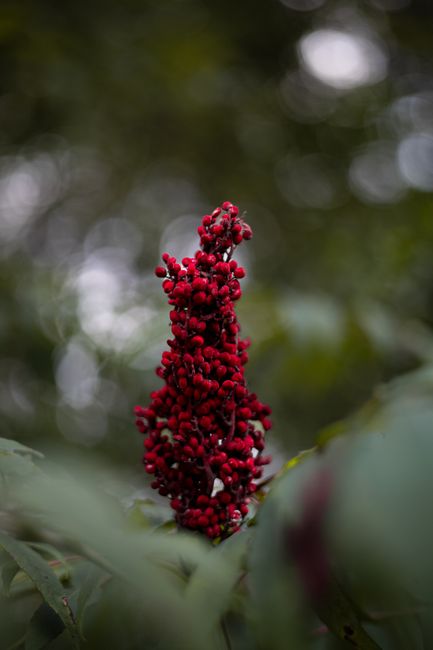
Sumac is produced from the small, deep red berries that grow in clusters on the sumac shrub. These berries are typically harvested before they reach full ripeness. Once collected, they are sun-dried and then ground into a coarse, crimson-colored powder. In North America, indigenous peoples, including the Lakota, Cherokee, and Navajo, have traditionally harvested native species like Rhus typhina (staghorn sumac) and Rhus aromatica (fragrant sumac) for both food and medicine.
Culinary Uses
In Middle Eastern and Levantine cuisines, sumac is an essential ingredient. It is a key component of za'atar, a popular spice blend containing dried herbs and toasted sesame seeds. It is frequently used to dust hummus, season grilled meats like kebabs, and add acidity to salads and rice dishes. In North American indigenous traditions, the berries are used to create "sumacade," a tart, pink-hued beverage that some historians believe may have inspired the concept of pink lemonade.
Nutrition & Facts
Sumac is recognized for its high antioxidant content and potential anti-inflammatory properties. It is a fiber-rich spice that is naturally low in sugar and sodium. Beyond the kitchen, it has a long history in traditional medicine, where it has been used to address gastrointestinal distress and throat ailments. Interestingly, while it shares a name with "poison sumac," the culinary varieties are distinct and safe for consumption.
Recipe Featuring This Ingredient
Sumac-Roasted Chicken with Onions
A fragrant and tangy chicken dish that highlights the bright, citrus notes of sumac paired with caramelized onions.
Prep time: 15 min | Cook time: 45 min | Total time: 60 min | Yield: 4 servings | Difficulty: Easy
Ingredients
- 4 chicken thighs, bone-in and skin-on
- 2 tbsp sumac
- 1 large yellow onion, thinly sliced
- 3 tbsp extra virgin olive oil
- 1 tsp sea salt
- 1/2 tsp black pepper
- 1/4 cup fresh parsley, chopped
Instructions
- Preheat your oven to 400°F (200°C).
- In a large bowl, toss the chicken thighs with olive oil, sumac, salt, and pepper until evenly coated.
- Spread the sliced onions in the bottom of a roasting pan and place the chicken thighs on top, skin-side up.
- Roast for 40–45 minutes, or until the chicken skin is golden brown and crispy and the internal temperature reaches 165°F (74°C).
- Remove from the oven and garnish with fresh parsley before serving.
Notes
Serve this dish alongside warm pita bread or fluffy basmati rice to soak up the flavorful pan juices. For an extra layer of flavor, you can add a squeeze of fresh lemon juice just before serving to complement the sumac's natural tartness.
Subscribers can ask the journalist a question about this story. Subscribe to ask.
Ingredient of the Day feature by the PENN Food & Spirits Desk.
Comments
No comments yet — be the first to share your thoughts.
PENN's lifestyle and culinary department, covering global cuisine — the origins, traditions, and recipes behind the world's dishes, with deep histories and cultural context that go beyond the plate. and PENN's beverage-focused culinary team, dedicated to spirits and drinks — covering distilleries, breweries, and producers worldwide, with histories, tasting notes, professional reviews, and cocktail traditions.
View all articles by Desk →