Japanese Researchers Begin First Human Trials for Tooth Regrowth Medicine
Scientists at Kyoto University Hospital aim to wake up dormant tooth buds using a new antibody treatment that could eliminate the need for dentures and implants.
PENN Explainer
Hear this story explained in 90 seconds.
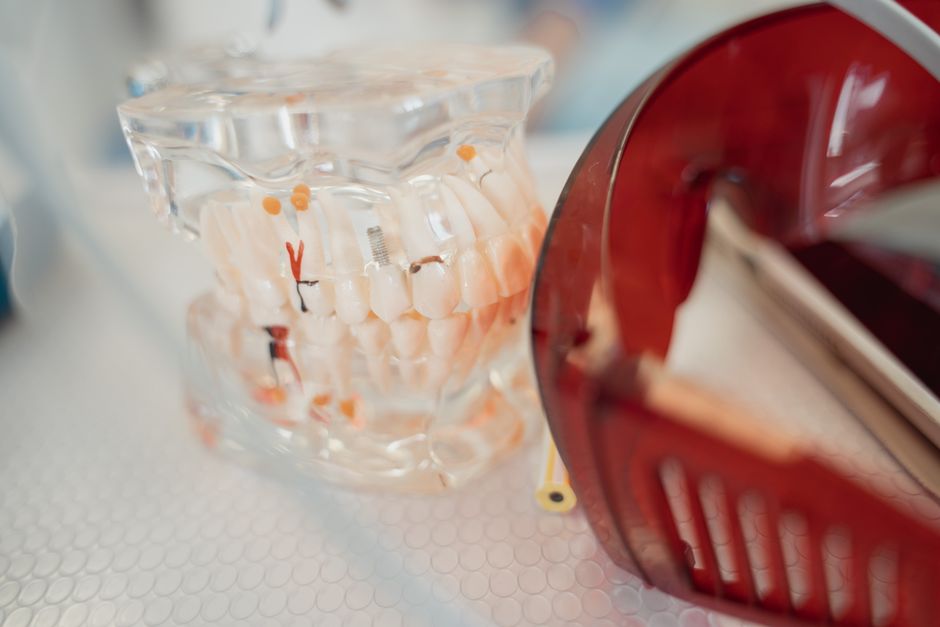
Researchers at Kyoto University Hospital in Japan have officially launched the world's first human trials for a medicine that may allow people to regrow their teeth. The team is led by Katsu Takahashi, a lead scientist who has spent decades studying dental regeneration. This clinical trial marks a major step forward in medical science, moving from successful animal testing to human subjects. If the trials are successful, the treatment could provide a permanent alternative to dentures and dental implants.
The medicine works by targeting a specific protein in the body called USAG-1, which stands for uterine sensitization-associated gene-1. In most humans, this protein acts as a biological brake that prevents extra teeth from growing. Scientists have discovered that almost all humans carry dormant "third generation" tooth buds in their jaws. These buds are extra sets of teeth that never develop because the USAG-1 protein stops them from growing.
The new treatment uses a specialized antibody to suppress the USAG-1 protein. By blocking this protein, the medicine allows natural growth signals, known as BMP and Wnt, to reach the dormant tooth buds. Once these signals are active, the buds begin to develop into full, healthy teeth. This process mimics the way primary and permanent teeth grow during childhood and adolescence.
Before starting human trials, the research team conducted extensive tests on mice and ferrets. The results were highly encouraging, as the animals successfully grew new teeth without any significant side effects. Ferrets were particularly important for the study because their dental patterns are very similar to those of humans. These animal successes gave the researchers the confidence to move forward with testing the drug on people.
The first phase of the human trial involves thirty healthy male adults who are missing at least one molar. This stage is primarily designed to ensure the medicine is safe for human use and does not cause unexpected reactions. Doctors will closely monitor the participants for several months to track how their bodies respond to the antibody. This careful approach is standard for new medical treatments to protect patient safety.
Following the safety phase, the researchers plan to test the medicine on children with congenital tooth deficiency. This condition, known as anodontia, causes people to be born without some or all of their permanent teeth. For these patients, the ability to grow their own teeth could significantly improve their quality of life. It would allow them to eat and speak more easily without relying on artificial replacements.
If the medicine proves effective for those with genetic conditions, the team hopes to expand its use to the general public. This could include millions of people who have lost teeth due to cavities, gum disease, or physical injuries. Currently, these patients must choose between bridges, dentures, or expensive titanium implants. A natural regrowth option would be a landmark shift in how dentistry is practiced worldwide.
The research team estimates that the medicine could be ready for general use by the year 2030. However, there are still many regulatory hurdles and further tests required before it reaches local dental offices. The cost of the treatment and how it will be distributed to different countries are also questions that remain to be answered. For now, the focus is on proving that the biological mechanism works safely in humans.
This breakthrough is part of a larger trend in regenerative medicine, where scientists try to help the body heal itself. Instead of using synthetic materials to replace body parts, researchers are finding ways to trigger natural growth. This field has seen rapid growth as technology allows for more precise targeting of genes and proteins. The tooth regrowth project is one of the most visible examples of this new medical frontier.
Some experts in the dental community have expressed cautious optimism about the trials. While the science is sound, they note that human biology is complex and results can vary between individuals. They emphasize that maintaining good oral hygiene will remain important even if regrowth becomes possible. The medicine is intended to supplement, not replace, standard dental care and prevention.
Kyoto University Hospital has become a central hub for this research, attracting attention from scientists and investors globally. The project has received support from various medical organizations interested in the future of biotechnology. As the trials progress, the data will be shared with the international scientific community for peer review. This transparency helps ensure that the findings are accurate and can be replicated by others.
The start of these human trials represents a historic moment for Japanese science and global medicine. It shows how long-term research into basic biology can eventually lead to practical treatments for common problems. People around the world are watching the results closely, hoping for a future where missing teeth are no longer a permanent issue. For Katsu Takahashi and his team, this is the culmination of years of dedicated laboratory work.
As the first participants receive their doses, the medical world waits to see if the dormant buds will truly wake up. If they do, it will confirm that the human body holds more potential for self-repair than previously thought. This study could open the door for other types of organ and tissue regeneration in the future. For now, the simple goal of growing a single tooth is the primary focus of this ambitious scientific endeavor.
Ask the Author
Subscribers can ask the journalist a question about this story. Subscribe to ask.
Nota de neutralidade
Auto-harvested from global news wires and presented neutrally by PENN.
to vote
Comments
No comments yet — be the first to share your thoughts.
Related stories in Science & Technology

MIT Researchers Successfully Transform Bacteria Into Living Transistors
2026-09-26
Scientists Discover Mysterious Light-Absorbing Substance in Venusian Clouds
2026-09-26