Researchers Develop Artificial Neurons Capable of Communicating with Living Brain Cells
A significant advancement in neuroprosthetics and brain-machine interfaces shows promise for future medical treatments.
PENN Explainer
Hear this story explained in 90 seconds.
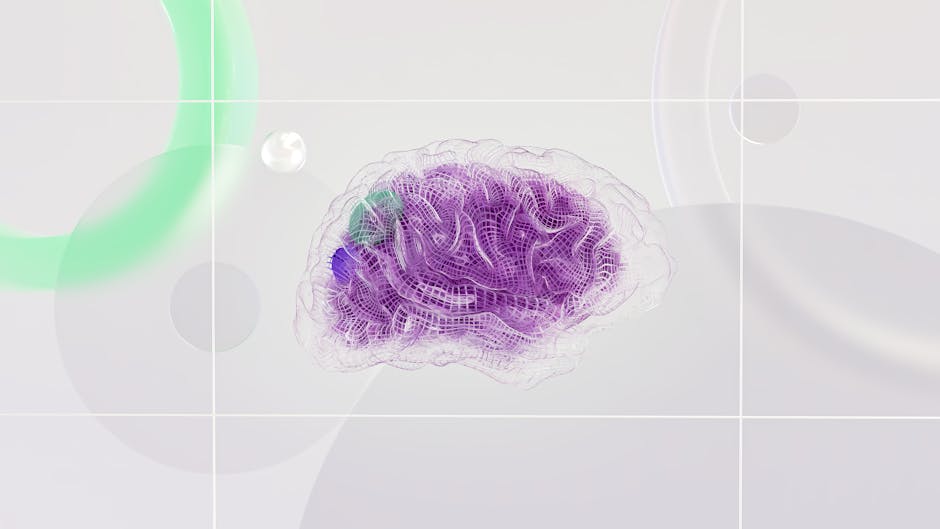
Scientists have achieved a major milestone in the field of neuroscience by successfully creating artificial neurons that can communicate directly with living brain cells. This development represents a significant step forward in the effort to bridge the gap between electronic devices and biological systems. By using slices of mouse brain, researchers demonstrated that these synthetic neurons could trigger responses in real neural tissue. This interaction highlights a new level of compatibility between man-made technology and the complex nervous system of living organisms. The findings were recently highlighted in a report by Science Daily, marking a potential turning point for medical technology. Experts believe this research could eventually lead to more effective treatments for various neurological conditions. The ability to interface directly with the nervous system opens doors for advanced neuroprosthetics. Such technology could one day assist patients with implants designed to restore hearing, vision, or movement. These artificial neurons also provide a foundation for developing more efficient, brain-like computing systems. By mimicking the way biological neurons function, engineers hope to create hardware that processes information with greater speed and lower energy consumption. This dual potential for medical and computing applications makes the discovery particularly noteworthy. The research team emphasized that while the current results are promising, there is still much work to be done before these systems can be used in human clinical settings. Future studies will focus on refining the stability and longevity of these electronic-biological connections. Ensuring that these devices can safely integrate with the human body over long periods remains a primary goal for the scientific community. As researchers continue to explore this frontier, the collaboration between engineers and biologists will be essential. This breakthrough serves as a reminder of how rapidly the field of biotechnology is evolving to address some of the most challenging health issues of our time.
Ask the Author
Subscribers can ask the journalist a question about this story. Subscribe to ask.
Nota neutralitatis
Auto-harvested from global news wires and presented neutrally by PENN.
to vote
Comments
No comments yet — be the first to share your thoughts.
Author
Planet Earth News Science & Technology DeskCovering scientific discovery and technological innovation — from astronomy, biology, chemistry, physics, and earth sciences to artificial intelligence, cybersecurity, consumer electronics, and digital infrastructure — with clear, accurate, neutral reporting on peer-reviewed findings, companies, products, and policy debates, and their implications for humanity.
View all articles by Desk →Related stories in Science & Technology

MIT Researchers Successfully Transform Bacteria Into Living Transistors
2026-09-26
Scientists Discover Mysterious Light-Absorbing Substance in Venusian Clouds
2026-09-26