Scientists Deploy Innovative Coral Aquaculture System in Remote Maldives Reefs
A new containerized technology aims to boost coral larval production and restore biodiversity in hard-to-reach marine environments.
PENN Explainer
Hear this story explained in 90 seconds.
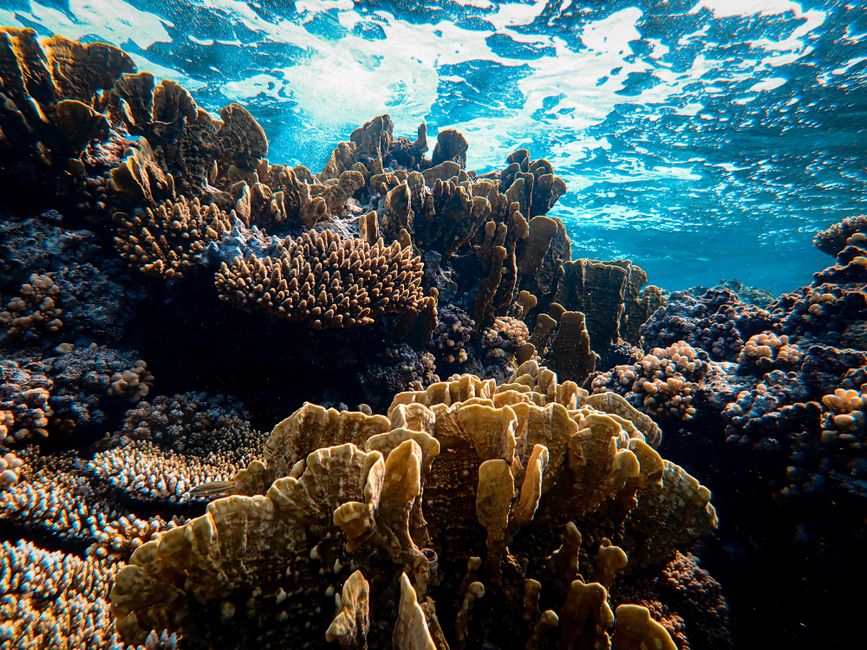
Marine biologists and researchers from the Australian Institute of Marine Science have launched a pioneering coral restoration project in the Maldives. This initiative utilizes a new, containerized aquaculture system known as ReefSeed to help repair damaged underwater ecosystems. The technology is designed to function in some of the world's most remote locations where traditional restoration methods are often difficult to implement. By focusing on these isolated areas, the team hopes to create a more comprehensive approach to global reef recovery.
The project represents a significant step forward in the effort to protect marine biodiversity against the impacts of rising ocean temperatures. ReefSeed works by maximizing the success of coral fertilization and increasing the overall production of coral larvae. This innovative kit is specifically engineered to reduce the labor costs typically associated with large-scale restoration efforts. By automating parts of the process, the system allows local experts and technicians to manage reef health more efficiently.
Training local communities to operate this equipment is a core component of the program's long-term strategy. This collaborative model ensures that restoration efforts can be sustained by those living closest to the reefs. The initiative comes as international organizations continue to emphasize the importance of protecting coral ecosystems. The Coral Reef Breakthrough, an initiative launched in 2023, has set a goal to secure at least 12 billion dollars in public and private investment by 2030.
These funds are intended to bolster resilience-based conservation and prevent the functional extinction of these vital habitats. Efforts like the one in the Maldives align with these broader global targets to double the area of coral reefs under effective protection. Previous restoration strategies often relied on asexual reproduction, which involves breaking off fragments from adult corals to grow new ones. While effective in some contexts, this method can limit the genetic diversity of the restored reef.
The new aquaculture approach focuses on sexual reproduction to produce millions of larvae, which can lead to more resilient and diverse coral populations. Scientists believe this shift is essential for preparing reefs to withstand future environmental stressors. As the project progresses, the team plans to monitor the survival rates of the outplanted corals. This data will be used to refine the technology and potentially scale the system for use in other regions.
The success of this pilot program could provide a blueprint for future marine conservation projects worldwide. Protecting these ecosystems remains a critical priority for maintaining the health of the global ocean.
Ask the Author
Subscribers can ask the journalist a question about this story. Subscribe to ask.
Neŭtraleca noto
Auto-harvested from global news wires and presented neutrally by PENN.
to vote
Comments
No comments yet — be the first to share your thoughts.