Vatican and Italy Launch Renewable Energy Project at Santa Maria di Galeria
A new agrivoltaic plant marks a significant step in the Holy See's commitment to sustainable energy and land stewardship.
PENN Explainer
Hear this story explained in 90 seconds.
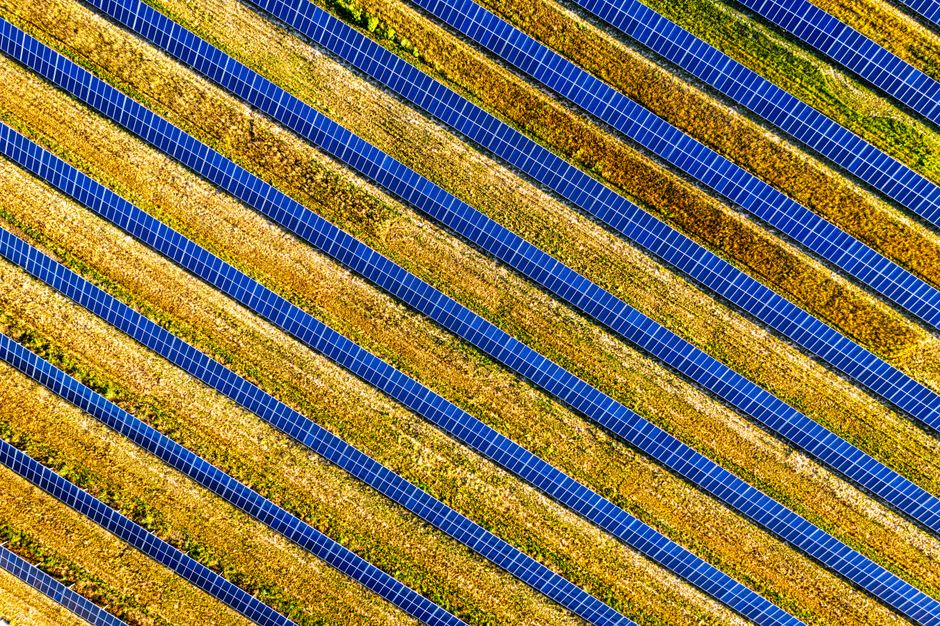
The Holy See and the Italian government have officially launched a collaborative renewable energy project located in the Vatican’s extraterritorial area of Santa Maria di Galeria. This initiative involves the construction of an agrivoltaic plant, which combines solar energy production with continued agricultural use of the land. The agreement, which was initially signed in July 2025, has now entered into full force. This project represents a practical application of environmental stewardship principles often discussed by religious institutions.
Santa Maria di Galeria has served as the site for Vatican Radio’s transmission facilities since 1957. By integrating modern solar technology into this historic location, the Vatican aims to transition toward more sustainable energy sources for the Vatican City State. The project is designed to balance the need for clean power with the preservation of the surrounding landscape. Officials from both the Holy See and Italy have highlighted the importance of this cooperation in meeting shared environmental goals.
The inspiration for this development is rooted in the environmental teachings found in the encyclical Laudato Si'. This document, which emphasizes the connection between human dignity and the health of the planet, has served as a guiding framework for the Vatican's recent sustainability efforts. By pursuing this agrivoltaic model, the Holy See seeks to demonstrate how religious organizations can contribute to global climate action through tangible, local projects. The initiative is viewed as a model for how land can be utilized for both energy generation and food production.
This development follows a period of significant focus on climate issues by various faith leaders globally. Over the past decade, religious figures from diverse traditions, including Christianity, Islam, Judaism, Buddhism, and Sikhism, have frequently called for urgent action to address environmental challenges. These leaders have often argued that the climate crisis is a moral and spiritual issue that requires a collective response from all sectors of society. The Vatican's new energy project serves as a concrete example of these broader advocacy efforts being put into practice.
In recent years, the Vatican has participated in numerous international dialogues regarding the environment, including high-level appeals ahead of major United Nations climate summits. These efforts have involved collaboration with scientists and policymakers to emphasize the necessity of transitioning to clean energy. The Santa Maria di Galeria project reflects a commitment to these goals by moving beyond rhetoric toward operational changes. It highlights the role that religious institutions can play in promoting sustainable infrastructure.
The project also underscores the importance of international and bilateral cooperation in addressing climate change. By working closely with the Italian government, the Holy See has navigated the regulatory and technical requirements necessary to implement renewable energy solutions. This partnership serves as a case study for how different entities can align their resources to support environmental sustainability. The successful implementation of this agreement is seen as a positive development by those monitoring the Vatican's environmental policies.
As the world continues to grapple with the impacts of a changing climate, the role of faith-based organizations in promoting sustainability remains a subject of global interest. Many observers note that the influence of religious leaders can help mobilize communities toward more environmentally conscious behaviors. The Vatican's focus on agrivoltaics provides a specific, replicable example of how such influence can be directed toward practical solutions. This project is expected to contribute to the Vatican's long-term energy strategy.
While the project is specific to the Vatican's needs, its implications are viewed by many as part of a wider trend of religious institutions adopting green technologies. From installing solar panels on houses of worship to advocating for policy changes, faith groups are increasingly integrating environmental concerns into their core missions. The Santa Maria di Galeria site is now a focal point for these efforts within the Catholic Church. It stands as a testament to the ongoing dialogue between faith and environmental science.
Looking ahead, the success of this agrivoltaic plant may influence future projects within the Vatican and beyond. The ability to maintain agricultural productivity while generating electricity is a key feature that appeals to many environmental advocates. By demonstrating the feasibility of this dual-use land approach, the Holy See hopes to encourage similar initiatives in other regions. The project remains a significant development in the intersection of religious practice and environmental policy.
In summary, the activation of the renewable energy agreement between the Holy See and Italy marks a milestone in the Vatican's environmental journey. It combines historical land use with forward-looking technology to support the goal of energy independence. As the project moves into its operational phase, it will likely continue to serve as a reference point for discussions on the role of faith in climate action. The initiative reflects a broader, ongoing commitment to stewardship that resonates across many different religious and secular communities.
Ask the Author
Subscribers can ask the journalist a question about this story. Subscribe to ask.
নিরপেক্ষতা নোট
Auto-harvested from global news wires and presented neutrally by PENN.
to vote
Comments
No comments yet — be the first to share your thoughts.