
Vietnam Advances Ambitious One Million Hectare Low-Emission Rice Project
The Mekong Delta initiative aims to modernize rice production through sustainable farming techniques and reduced greenhouse gas emissions.
PENN Explainer
Hear this story explained in 90 seconds.
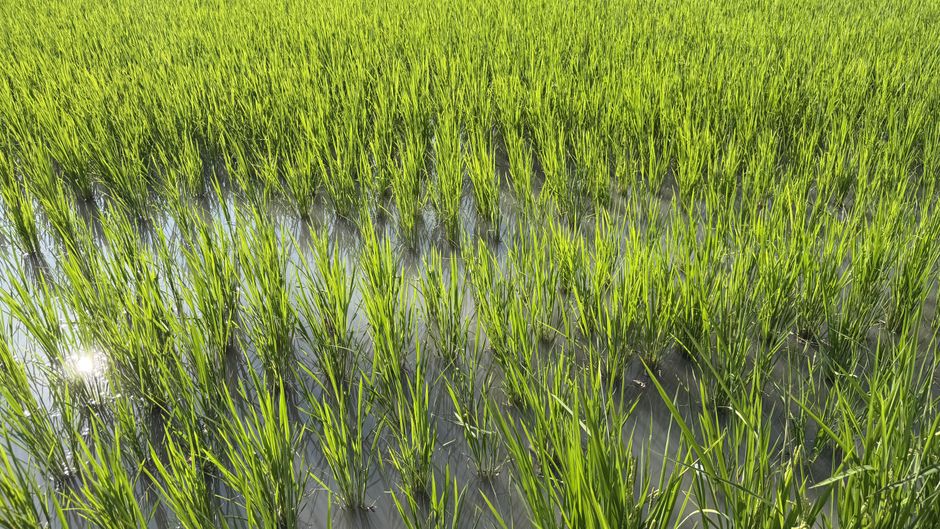
Vietnam is currently implementing a large-scale agricultural project designed to transform its rice sector in the Mekong Delta. The initiative, known as the One Million Hectares High Quality and Low-Carbon Rice project, seeks to modernize farming practices across the region. This program focuses on shifting production toward high-quality varieties while significantly lowering the environmental footprint of rice cultivation.
The Mekong Delta serves as the primary hub for the country's rice industry, contributing half of the national production and the vast majority of its exports. However, the region faces mounting pressure from climate change, including rising sea levels, saltwater intrusion, and unpredictable weather patterns. These environmental challenges threaten the long-term stability of the area, which supports the livelihoods of over one million farmers.
To address these risks, the Ministry of Agriculture and Rural Development has partnered with international organizations to introduce sustainable farming methods. The project encourages farmers to adopt techniques that reduce the use of nitrogen fertilizers and irrigation water by up to 20 percent. By minimizing the time fields remain flooded, the initiative aims to cut methane emissions, which are a significant byproduct of traditional paddy farming.
Technological innovation plays a central role in the project's strategy for modernization. Farmers are increasingly utilizing drones for sowing and applying advanced row-sowing techniques to improve efficiency. These tools help reduce input costs while simultaneously increasing crop yields and overall grain quality.
Organizational changes are also a key component of the government's plan to reorganize production. The project requires farmers to join cooperatives, which facilitates better access to resources and creates stronger links between producers and the market. According to officials, this structure ensures that smallholder farmers can participate more effectively in the global supply chain.
Nguyen Van Hung, a senior expert from the International Rice Research Institute, noted that the institute is providing critical support during the 2024-2025 phase of the project. The collaboration spans six provinces, including Can Tho, An Giang, and Dong Thap. Experts believe this systematic approach is essential for maintaining the competitiveness of Vietnamese rice in international markets.
Beyond environmental benefits, the project aims to improve the economic outlook for rural communities. By focusing on high-quality and aromatic rice varieties, farmers can target more lucrative market segments. This shift is intended to move the industry away from a reliance on low-price, low-quality exports that have historically dominated the sector.
The initiative is also designed to help Vietnam meet its international climate commitments. The country has pledged to reduce greenhouse gas emissions as part of its updated national climate strategy. Because rice cultivation accounts for a large portion of agricultural emissions in Vietnam, this project is viewed as a vital step toward achieving those environmental goals.
Financial mechanisms are being developed to support these sustainable practices, including potential carbon payment programs. These incentives are intended to reward farmers for adopting low-carbon techniques that benefit the broader environment. Such programs aim to make sustainable agriculture a financially viable choice for small-scale producers.
Despite the progress, the sector continues to navigate global market fluctuations and shifting demand. While Vietnam remains a top global exporter, officials are working to diversify markets and stabilize domestic prices. The focus on quality and sustainability is seen as a long-term strategy to ensure the resilience of the rice industry against both climate and economic disruptions.
You've reached your free article limit
You've read 10 of 10 free articles this month. Subscribe to Planet Earth News Network for unlimited access to neutral, global journalism — plus puzzles, podcasts, and the weekly newsletter.
Already a subscriber? Sign in.
Ask the Author
Subscribers can ask the journalist a question about this story. Subscribe to ask.
Neutrality note
Auto-harvested from global news wires and presented neutrally by PENN.
to vote
Comments
No comments yet — be the first to share your thoughts.
Related stories in Agriculture & Food Security

Brazil's Agricultural Sector Faces Logistics and Climate Challenges
2026-11-06
Brazilian Soybean Planting Faces Delays Amid Weather Uncertainty
2026-11-06