Wildfires Devastate Large Portions of Namibia's Etosha National Park
Satellite analysis reveals that over one-third of the iconic nature reserve has been scorched by recent intense blazes.
PENN Explainer
Hear this story explained in 90 seconds.
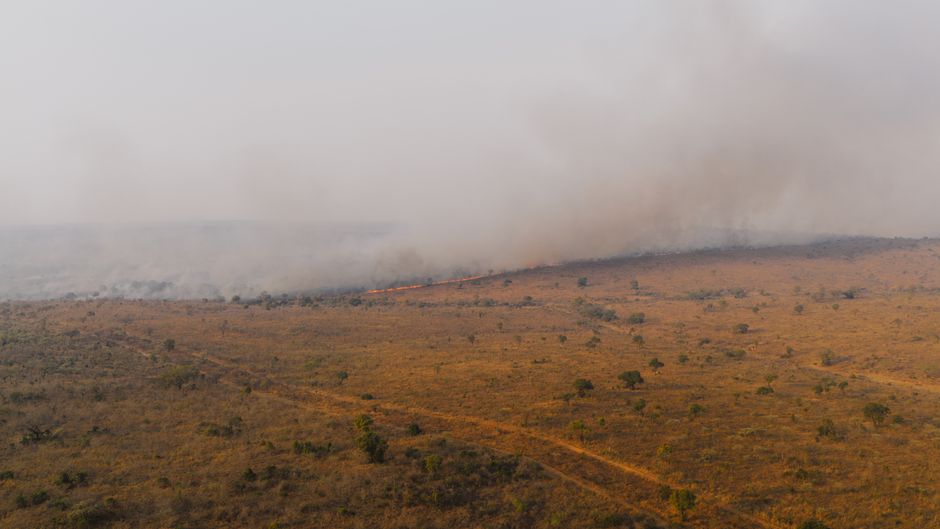
A series of intense wildfires has swept through Etosha National Park in Namibia, causing significant damage to one of Africa's most important wildlife sanctuaries. Satellite imagery analyzed by researchers indicates that more than one-third of the vast nature reserve has been burned. The fires have raised concerns among conservationists regarding the long-term impact on the park's diverse ecosystem. Etosha is home to a wide variety of species, including lions, elephants, and the endangered black rhinoceros.
The scale of the destruction highlights a growing trend of increased fire activity across Southern Africa. Experts note that the number and intensity of unwanted wildland fires in the region have risen significantly over the past several years. These events are becoming more frequent, challenging the resources of local park management and emergency response teams. The situation in Namibia serves as a stark reminder of the vulnerability of protected areas to changing environmental conditions.
Researchers have been studying the underlying causes of these fires to better understand the shifting landscape. A recent study published in Geophysical Research Letters found that fires in Africa's wet, tropical forests have doubled in recent decades. While Etosha is primarily a savanna environment, the broader trend of increased fire frequency across the continent is a subject of intense scientific scrutiny. The drying of vegetation is often cited as a primary factor that allows fires to spread more rapidly.
Local authorities and park officials are currently working to assess the full extent of the damage to the park's infrastructure and wildlife habitats. The recovery process for such a large area is expected to be complex and time-consuming. Efforts are being made to monitor the affected zones to ensure the safety of remaining animal populations. The park remains a critical site for biodiversity, and its restoration is a priority for the Namibian government.
Community members and international organizations are closely watching the situation as it unfolds. The loss of vegetation not only affects the animals that rely on it for food and shelter but also alters the landscape for future seasons. Scientists are calling for improved fire management strategies to mitigate the risks posed by these recurring disasters. Collaborative efforts between regional governments and environmental groups are essential for developing effective prevention measures.
As the dry season continues, the risk of further fire outbreaks remains a concern for the region. Park management is urging visitors and local residents to exercise extreme caution to prevent accidental ignitions. The resilience of the Etosha ecosystem will be tested in the coming months as the environment begins the process of natural regeneration. Observers remain hopeful that the park will recover, though the path forward requires careful planning and sustained attention.
This event underscores the broader challenges faced by African nations in managing their natural resources amidst changing climate patterns. The intersection of human activity and environmental shifts creates a volatile situation that requires proactive solutions. By sharing data and resources, countries in Southern Africa hope to build a more robust defense against future wildfire threats. The international community continues to offer support for the ongoing recovery efforts in Namibia.
Public awareness campaigns are being launched to educate the local population about fire safety and the importance of protecting natural habitats. These initiatives aim to reduce the human-caused factors that contribute to the start of wildfires. Education is seen as a key component in the long-term strategy to preserve the integrity of national parks. The goal is to foster a culture of stewardship that values the preservation of these unique landscapes.
As researchers continue to analyze the satellite data, more information regarding the specific impact on wildlife populations will likely emerge. The scientific community is committed to providing the necessary data to inform future conservation policies. Understanding the patterns of these fires is crucial for adapting management practices to a changing world. The findings from Etosha will undoubtedly contribute to a better understanding of fire dynamics in arid and semi-arid regions.
In the face of these challenges, the dedication of park rangers and conservationists remains a beacon of hope. Their tireless work on the ground is vital for the protection of the park's inhabitants during and after these crises. The global community stands in solidarity with Namibia as it navigates the aftermath of these devastating fires. The preservation of Etosha National Park remains a shared responsibility that transcends borders.
Ask the Author
Subscribers can ask the journalist a question about this story. Subscribe to ask.
Nota neutralitatis
Auto-harvested from global news wires and presented neutrally by PENN.
to vote
Comments
No comments yet — be the first to share your thoughts.
Related stories in Weather & Climate
Japan Prepares for Seasonal Winter Shifts as Meteorological Agencies Monitor Climate Patterns
2026-09-25
Tropical Storm Nolo Approaches Hawaii as Pacific Cyclone Activity Intensifies
2026-09-25