World Meteorological Organization Warns of Strengthening El Nino Conditions
New climate data suggests a rapid development of El Nino in the tropical Pacific, raising global concerns for extreme weather patterns in the coming months.

PENN Explainer
Hear this story explained in 90 seconds.
The World Meteorological Organization has issued a formal warning regarding the development of El Nino conditions in the tropical Pacific. These atmospheric patterns are expected to strengthen significantly throughout the remainder of the year. Meteorologists anticipate that this shift will exert a notable influence on global weather systems through early 2027. The organization released this update on July 3, 2026, to help nations prepare for potential climate disruptions.
Experts are closely monitoring the situation as the phenomenon moves toward peak intensity. The transition into a strong El Nino event is projected to occur between July and September of this year. Such events typically reach their maximum strength between November and February. This timing is critical because the most profound impacts on global temperatures often manifest in the year following the initial onset.
The World Meteorological Organization is currently working to mobilize support services for countries that may face heightened risks. These efforts aim to provide better information to help local governments anticipate and mitigate the effects of the changing climate. Officials emphasize that early preparation is essential for protecting vulnerable populations and infrastructure. The forecast indicates an increased likelihood of diverse extreme weather events across many regions of the world.
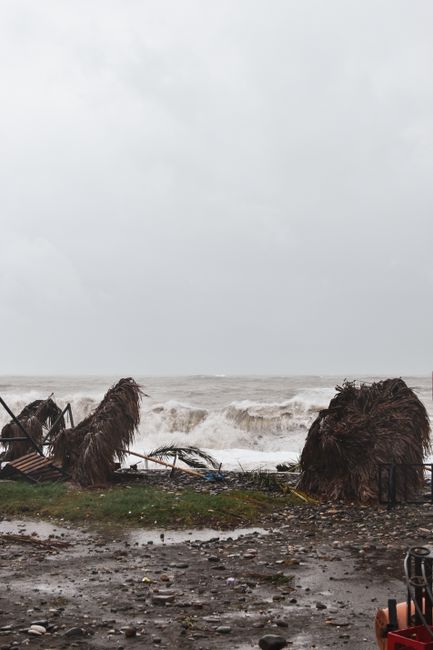
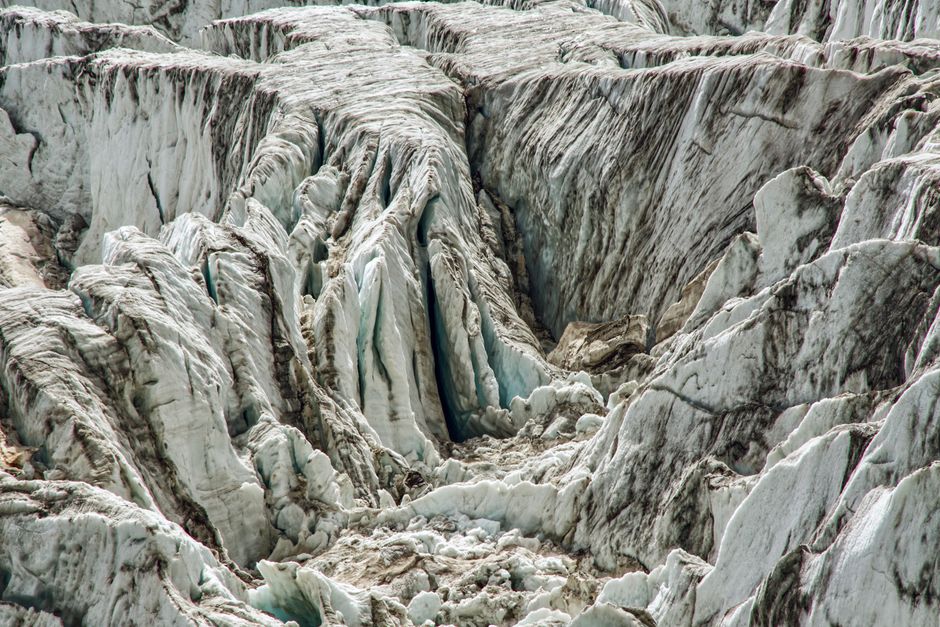
These may include prolonged heatwaves, severe droughts, and periods of intense, heavy rainfall. Such conditions can place significant strain on agricultural systems and water supplies. The organization continues to track these developments to provide the most accurate data possible to the international community. By sharing these findings, the agency hopes to foster a more coordinated global response to the evolving weather patterns.
The scientific community remains focused on understanding how these shifts will interact with existing climate trends. Ongoing research is vital for improving the accuracy of long-term seasonal forecasts. As the situation develops, the World Meteorological Organization will continue to provide regular updates to the public and policymakers alike.
Ask the Author
Subscribers can ask the journalist a question about this story. Subscribe to ask.
Neŭtraleca noto
Auto-harvested from global news wires and presented neutrally by PENN.
to vote
Comments
No comments yet — be the first to share your thoughts.