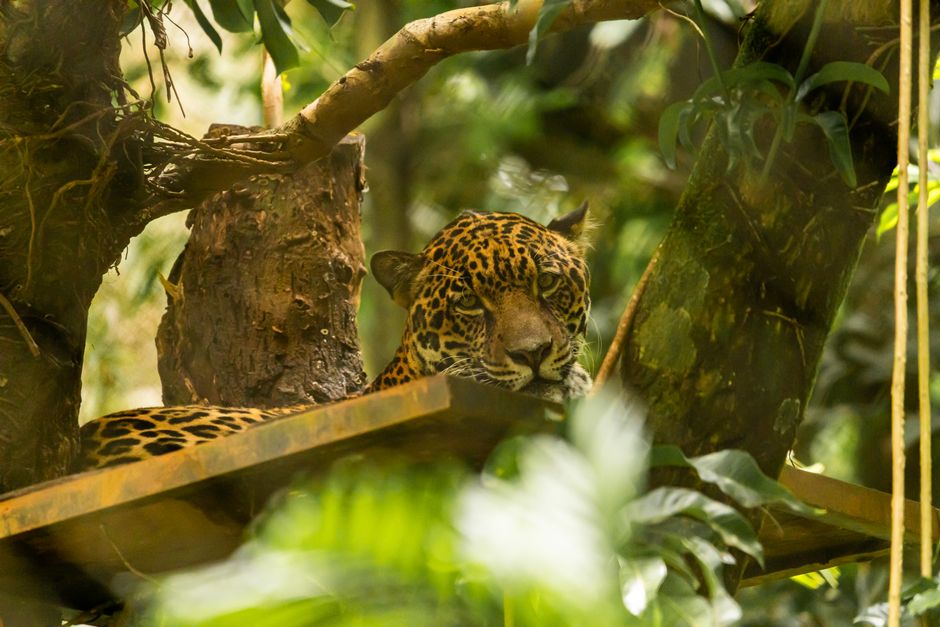
Costa Rican Ranchers Partner with Conservationists to Protect Jaguars and Pumas
Innovative collaboration turns traditional livestock producers into key guardians of apex predators through sustainable land management.
PENN Explainer
Hear this story explained in 90 seconds.
In a significant shift for wildlife conservation in Central America, ranchers in Costa Rica are increasingly adopting practices that protect apex predators like jaguars and pumas. Historically, these large cats were often viewed as threats to livestock, leading to retaliatory killings that harmed local biodiversity. Today, a growing number of agricultural producers are working alongside conservationists to implement non-lethal management strategies that allow both cattle and wild cats to coexist on the same landscape. This transition represents a major change in how rural communities interact with the wildlife that shares their territory. By focusing on habitat connectivity and predator-proof infrastructure, these ranchers are helping to stabilize populations of these iconic species. The initiative is supported by scientific research that tracks predator movement across private lands. Experts emphasize that maintaining these corridors is essential for the long-term survival of jaguars, which require vast territories to hunt and breed. Rather than viewing the cats as enemies, participating landowners are now utilizing their properties as vital links in a larger conservation network. This approach moves beyond simple protection, actively managing the land to support natural prey species, which reduces the likelihood of cats targeting domestic livestock. The program also provides technical assistance to help farmers improve their herd management. By installing electric fencing and using specialized livestock guardian animals, ranchers can significantly lower the risk of predation. These practical tools are funded through partnerships between environmental organizations and local agricultural cooperatives. This ensures that the financial burden of conservation does not fall solely on the shoulders of the farmers. The success of this model is being closely watched by conservationists across the region. It demonstrates that regulated, community-led efforts can achieve better outcomes than top-down mandates. By integrating economic activity with ecological stewardship, the project creates a sustainable future for both the people and the wildlife of Costa Rica. As these programs expand, they provide a blueprint for other nations facing similar human-wildlife conflicts. The focus remains on long-term population health and the preservation of critical ecosystems. Through this collaborative spirit, the future of the jaguar and puma in Costa Rica appears more secure than it has been in decades.
Ask the Author
Subscribers can ask the journalist a question about this story. Subscribe to ask.
中立性の注記
Auto-harvested from global news wires and presented neutrally by PENN.
to vote
Comments
No comments yet — be the first to share your thoughts.
Related stories in Hunting and Conservation

Nepali Experts Question Rhino Relocation Within Chitwan National Park
2026-09-25
Namibia Reports Significant Decline in Rhino Poaching Incidents
2026-09-25