Icelandic Whaling Company Suspends Fin Whale Hunt for 2025 Season
Decision marks a significant shift in North Atlantic marine conservation and international trade dynamics.
PENN Explainer
Hear this story explained in 90 seconds.
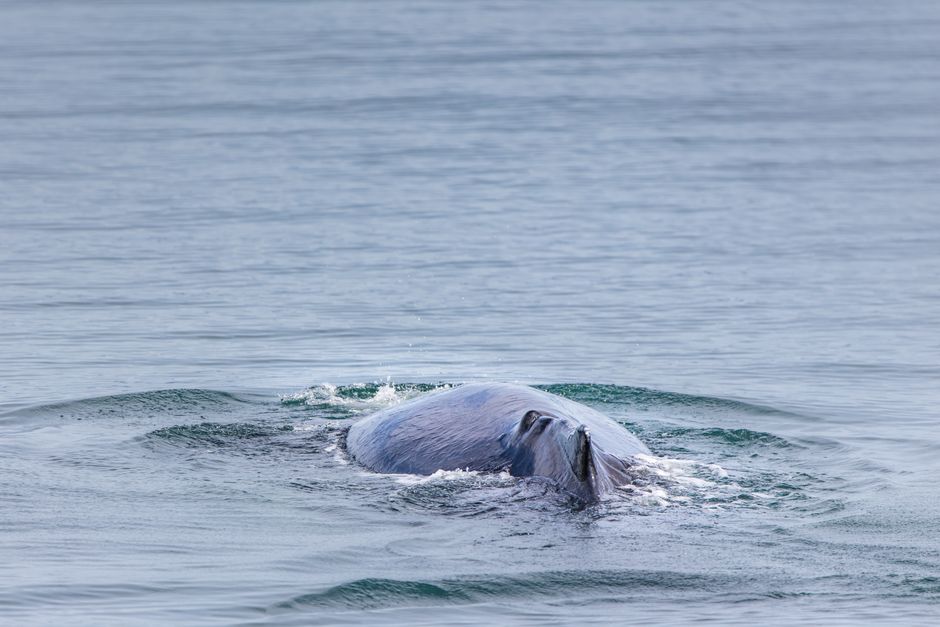
A major Icelandic whaling company has officially announced the suspension of its fin whale hunting operations for the 2025 summer season. This decision follows years of intense international scrutiny regarding the sustainability of hunting the world's second-largest mammal. The move is viewed by many conservationists as a significant development in the ongoing debate over commercial whaling practices in the North Atlantic. Fin whales are currently classified as a vulnerable species, and their management remains a complex issue involving ecological, economic, and cultural stakeholders. The company's choice to pause activities provides a temporary reprieve for the population while international bodies continue to assess long-term conservation strategies. Historically, Iceland has maintained a regulated whaling program, but the practice has faced increasing pressure from global markets and environmental organizations. A primary concern for critics has been the export of whale meat to Japan, which has drawn criticism regarding the necessity of the hunt. By halting operations, the company is effectively stepping back from a controversial trade route that has been a focal point of international conservation discussions. The suspension highlights the growing influence of global public opinion on national wildlife management policies. While the company has not provided a permanent end date for the program, the pause allows for a period of reflection on the future of marine resource management in the region. Scientists and policymakers are expected to use this time to gather more data on fin whale migration patterns and population health. This information will be vital for determining whether future regulated hunting can be justified under strict conservation guidelines. The decision also reflects a broader trend where commercial entities are increasingly sensitive to the ecological impacts of their operations. Stakeholders involved in the management of marine life are now tasked with balancing traditional practices with modern conservation science. The outcome of this suspension will likely influence future discussions within the International Whaling Commission and other regulatory bodies. As the situation evolves, the focus remains on ensuring that any human interaction with these marine giants is grounded in rigorous, science-based conservation principles rather than commercial demand alone.
Ask the Author
Subscribers can ask the journalist a question about this story. Subscribe to ask.
中立性の注記
Auto-harvested from global news wires and presented neutrally by PENN.
to vote
Comments
No comments yet — be the first to share your thoughts.
Related stories in Hunting and Conservation

Nepali Experts Question Rhino Relocation Within Chitwan National Park
2026-09-25
Namibia Reports Significant Decline in Rhino Poaching Incidents
2026-09-25