Environmenten
Kazakhstan Reintroduces Amur Tigers to Restore Extinct Turan Population
A landmark conservation project brings apex predators back to the Ili-Balkhash region after decades of absence.
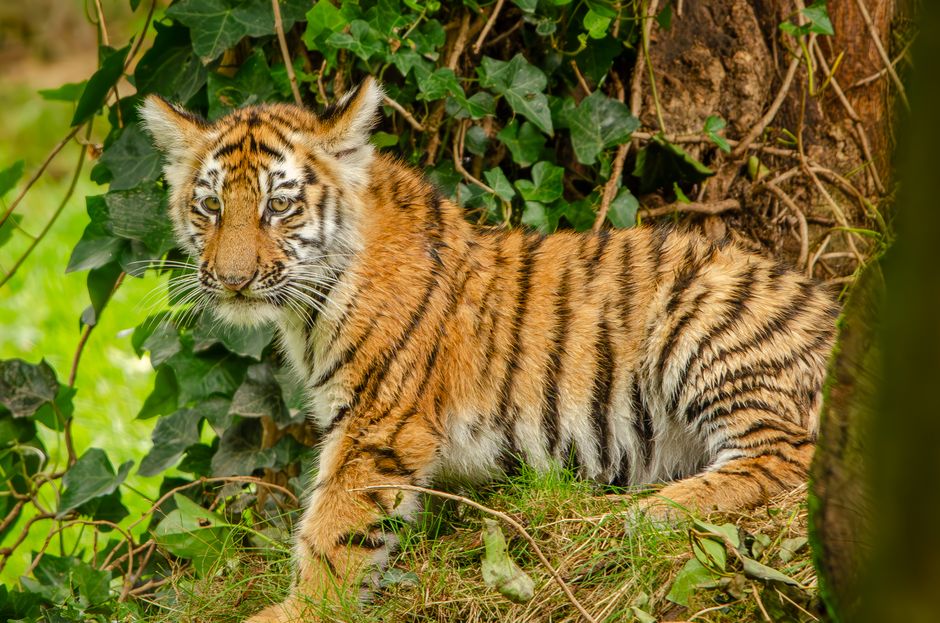
PENN Explainer
Hear this story explained in 90 seconds.
Kazakhstan has launched a major conservation project by releasing Amur tigers into the wild. This effort aims to bring back a tiger population to a region where they have been extinct for decades. The project focuses on the Ili-Balkhash Nature Reserve, a vast area of protected land. This move represents a significant step in global efforts to restore lost ecosystems.
The Turan tiger, also known as the Caspian tiger, once roamed these lands but disappeared in the mid-20th century. Scientists believe the Amur tiger is the closest genetic relative to the extinct Turan tiger. This genetic similarity makes them the best candidates for this reintroduction program. By using Amur tigers, researchers hope to fill the ecological gap left by their extinct cousins.
Four adult Amur tigers were recently released into the protected area as part of the initial phase. This move follows years of preparation by the Kazakh government and international partners. The goal is to establish a self-sustaining population over the next few decades. Experts are hopeful that these pioneers will adapt quickly to their new environment.
Before the tigers arrived, experts worked for years to restore the local ecosystem. They had to ensure there was enough prey, such as wild boar and Bukhara deer, for the tigers to hunt. Thousands of acres of tugai forest were also protected and restored to provide cover. This habitat preparation was essential for the long-term success of the project.
The project is a collaboration between the Government of Kazakhstan and the World Wildlife Fund. Other international groups have also provided technical support and funding for the initiative. This partnership shows how nations and organizations can work together to restore lost biodiversity. It is one of the most ambitious rewilding projects currently active in Central Asia.
The released tigers are being tracked using satellite collars to ensure their safety. This allows researchers to monitor their movements and see how they interact with the landscape. The data collected will help guide future releases and management strategies. Monitoring is a critical part of ensuring the animals stay within the protected boundaries.
Local communities have been involved in the project from the very beginning. Education programs help residents understand the importance of the tigers and how to live safely near them. The project also creates new jobs in conservation, park management, and eco-tourism. Engaging the public is seen as a key factor in preventing future conflicts.
Tigers are apex predators, meaning they sit at the top of the food chain. Their presence helps maintain the balance of the entire ecosystem in the reserve. By controlling prey populations, they allow vegetation to thrive and support other wildlife species. This ripple effect can improve the health of the entire Ili-Balkhash region.
Reintroducing a large predator is not without significant challenges and risks. Experts must manage potential conflicts between tigers and local livestock in nearby areas. There is also the ongoing threat of poaching, which requires constant patrolling by trained park rangers. The government has increased security measures to protect the new arrivals.
Kazakhstan hopes to have a population of up to 100 tigers in the Ili-Balkhash region by the year 2050. This would be a historic achievement for global conservation and species recovery. It serves as a potential model for other countries looking to bring back extinct species. The success of this program could inspire similar efforts around the world.
This project is part of a larger global effort to increase the number of tigers in the wild. While tiger numbers are rising in some areas, they remain endangered across much of their range. The Kazakhstan initiative adds a new and vital habitat for the species to expand. It provides a buffer against extinction for the Amur tiger lineage.
The return of tigers to Kazakhstan is a symbol of hope for nature restoration. It proves that with enough political will and scientific planning, extinct populations can be brought back. The world will be watching closely as these four tigers begin their new lives in the wild. Their progress marks a new chapter for conservation in Central Asia.
Neutrality note
Auto-harvested from global news wires and presented neutrally by PENN.
to vote
Comments
No comments yet — be the first to share your thoughts.
Related stories in Environment

Prescribed Burns Offer Essential Protection for California's Giant Sequoias, Comprehensive Study Finds
2026-09-07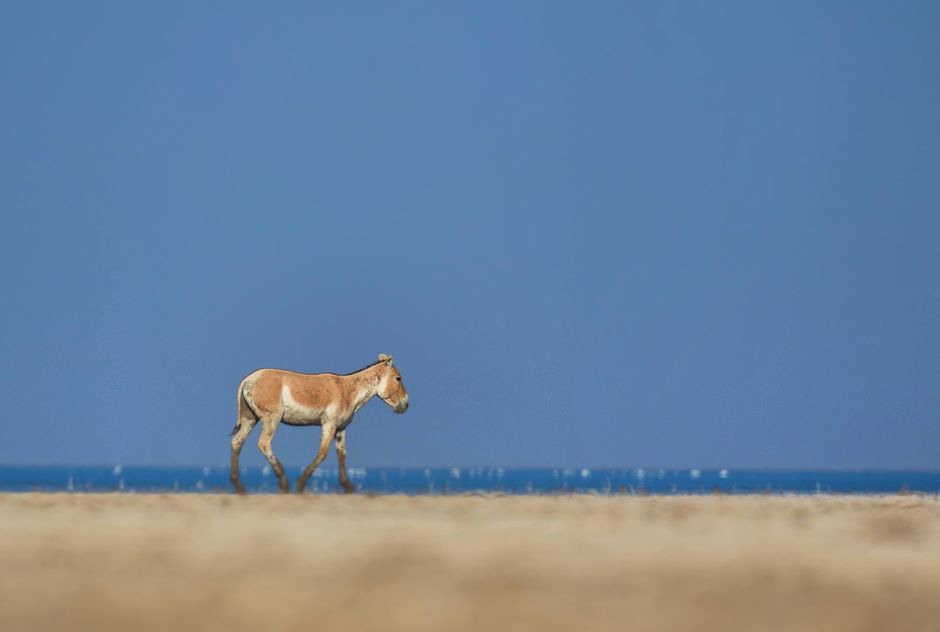
Hundreds of Endangered Khulan Return to Eastern Steppes of Mongolia After 65-Year Absence
2026-09-07