New Zealand Implements Groundbreaking Māori Co-Management Model for Marine Reserves
Indigenous-led conservation strategy restores marine biodiversity through collaborative management of protected coastal waters.

PENN Explainer
Hear this story explained in 90 seconds.
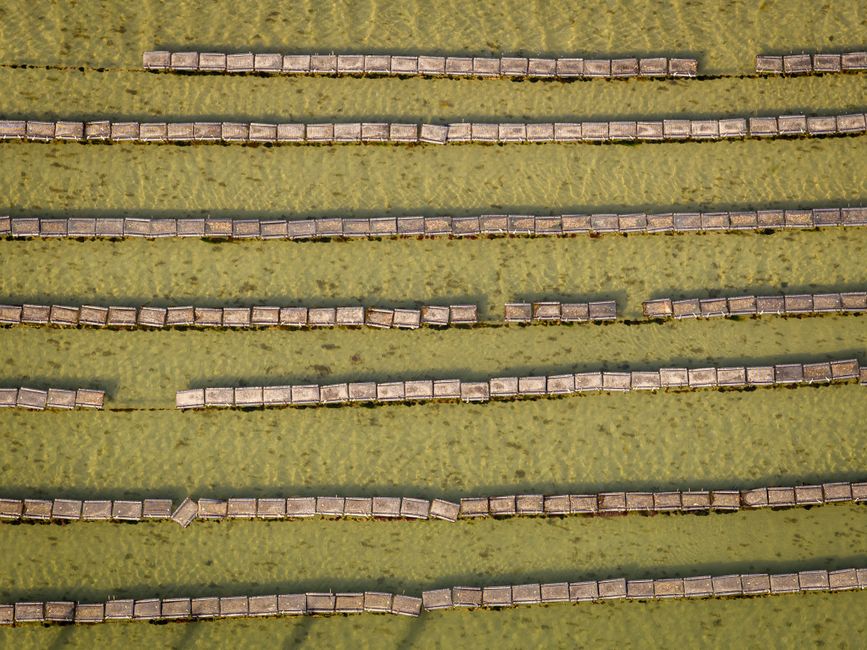
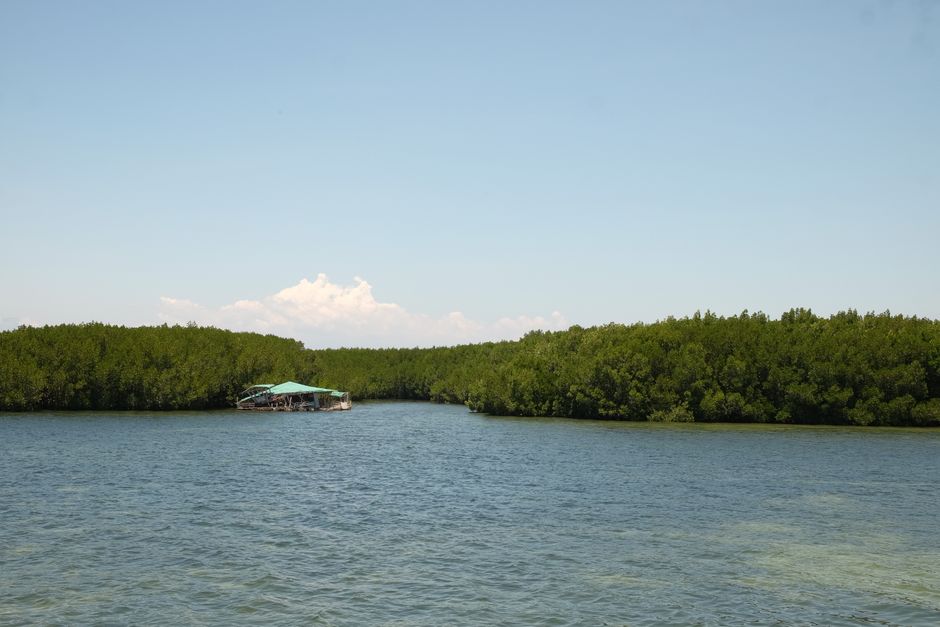
New Zealand has introduced a significant shift in marine conservation by establishing new marine reserves managed through a collaborative model with the Māori people. This initiative integrates traditional ecological knowledge with modern scientific practices to protect vulnerable coastal ecosystems. By involving local iwi, or tribes, in the governance of these areas, the government aims to ensure that conservation efforts are both culturally respectful and ecologically effective. The model represents a departure from top-down management styles that have historically excluded Indigenous voices from environmental decision-making. This partnership is designed to create a more sustainable framework for managing marine resources in the long term. The Kāi Tahu marine ranger team has been at the forefront of this effort, actively participating in the monitoring and protection of these waters. Their work includes regular surveys of marine life and the implementation of sustainable harvesting practices for traditional resources like seaweed. By combining ancestral wisdom with contemporary data collection, the rangers provide a comprehensive view of the health of the marine environment. This dual approach allows for more responsive management that can adapt to changing environmental conditions. The involvement of the Kāi Tahu ensures that the management of these reserves is grounded in a deep, historical connection to the land and sea. The success of this co-management model is being closely watched by conservationists globally as a potential blueprint for other nations. It demonstrates how recognizing Indigenous rights can lead to more robust and inclusive environmental outcomes. By empowering local communities to act as stewards of their own waters, the project fosters a sense of shared responsibility and long-term commitment. This collaborative strategy is expected to enhance biodiversity and support the resilience of marine habitats against external pressures. As the project continues to evolve, it serves as a practical example of how diverse knowledge systems can work together to address complex environmental challenges. The integration of Māori leadership into the formal management structure is a landmark step toward more equitable and effective conservation policy.
Ask the Author
Subscribers can ask the journalist a question about this story. Subscribe to ask.
Nota di neutralità
Auto-harvested from global news wires and presented neutrally by PENN.
to vote
Comments
No comments yet — be the first to share your thoughts.